Blog Details
Latest Updates

Company Blogs
.png)
18
August
Why Piara Singh & Sons Is a Trusted Clamp Type Cultivator Manufacturer in Haryana
Ask a Haryana farmer what wears out a cultivator fastest and most won't say the tines. They'll say the clamps — the fittings that hold each tine to the frame, tightened and loosened every season, jarred every time the shank hits a buried stone. A cultivator with weak clamps loosens within a year; a well-made one holds its setting through repeated seasonal adjustment. That's the gap Piara Singh & Sons, a Clamp Type Cultivator Manufacturer in Haryana operating out of Karnal since 1960, has built its reputation around.
What a Clamp Type Cultivator Does Differently
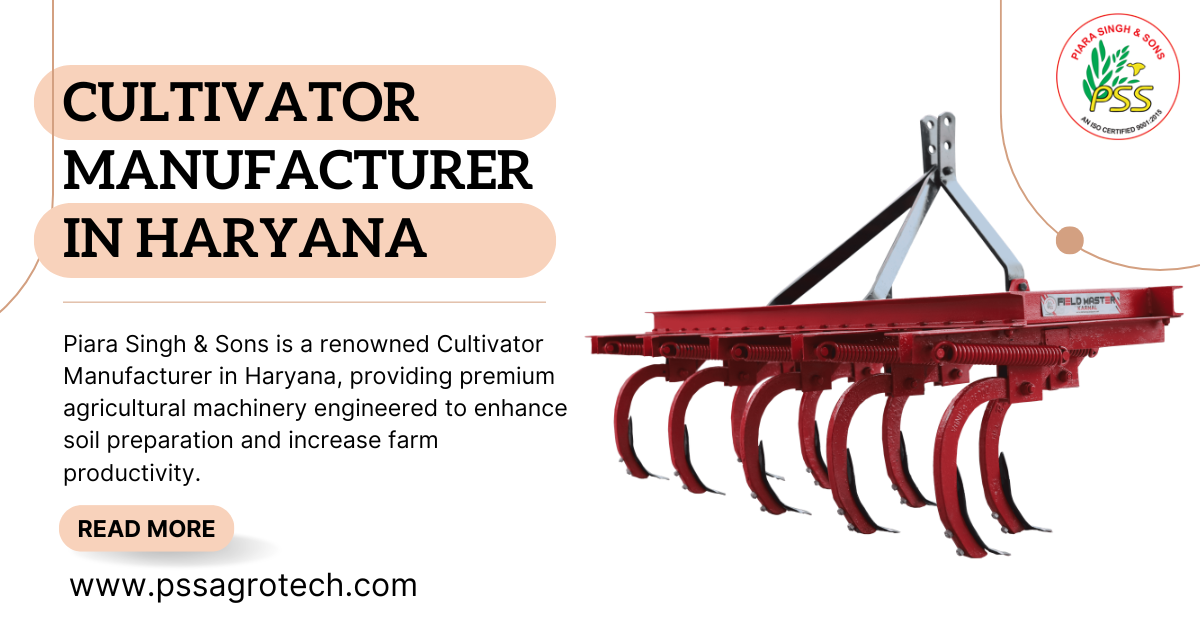
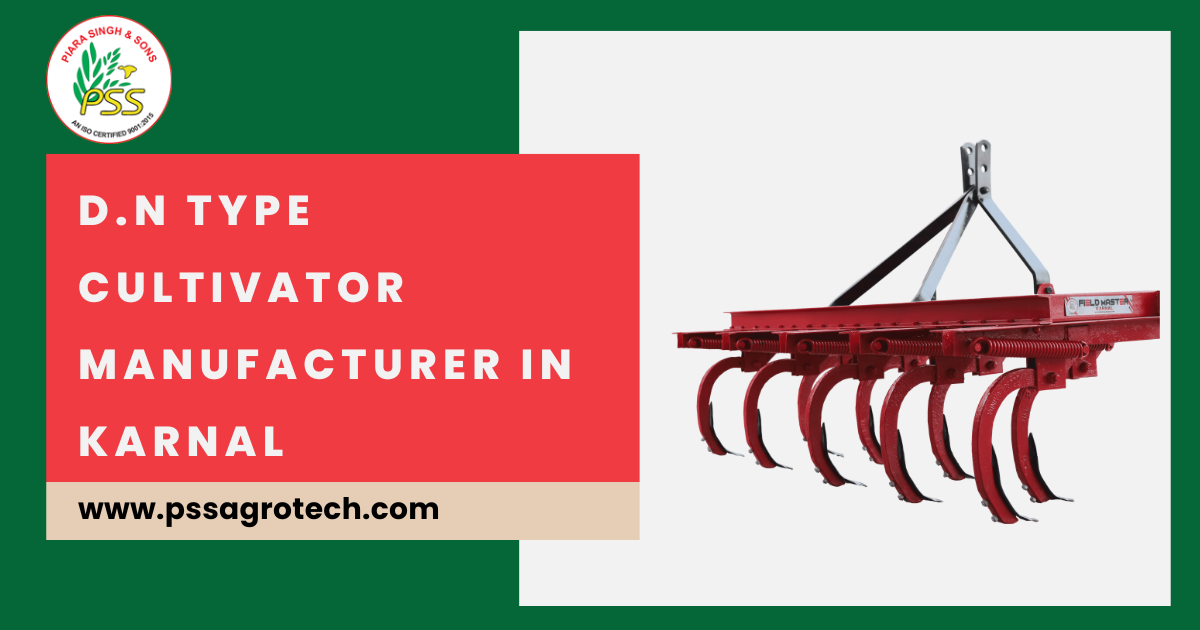
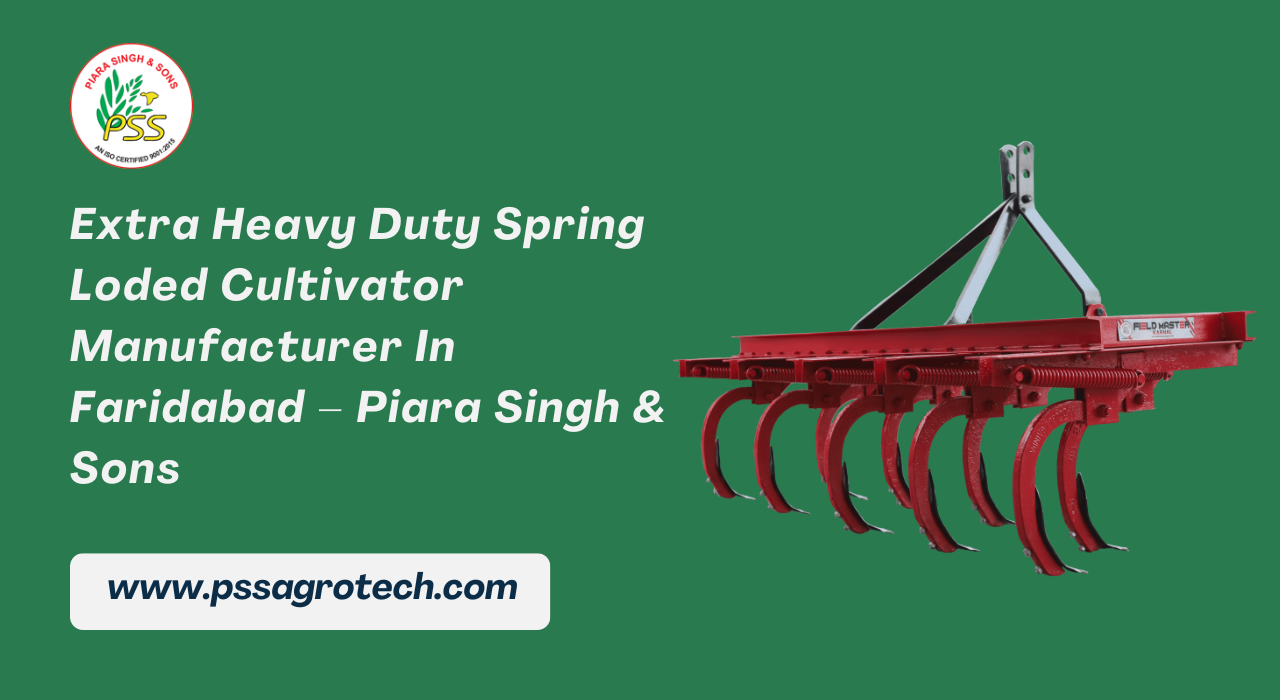
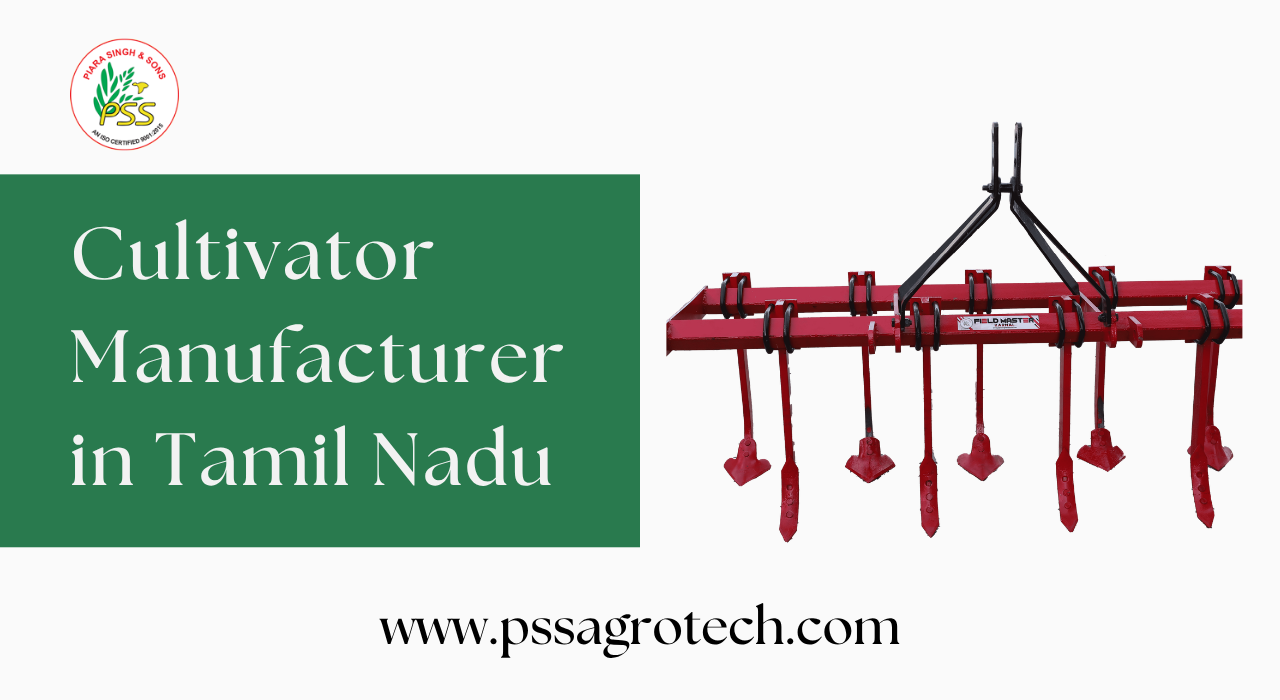
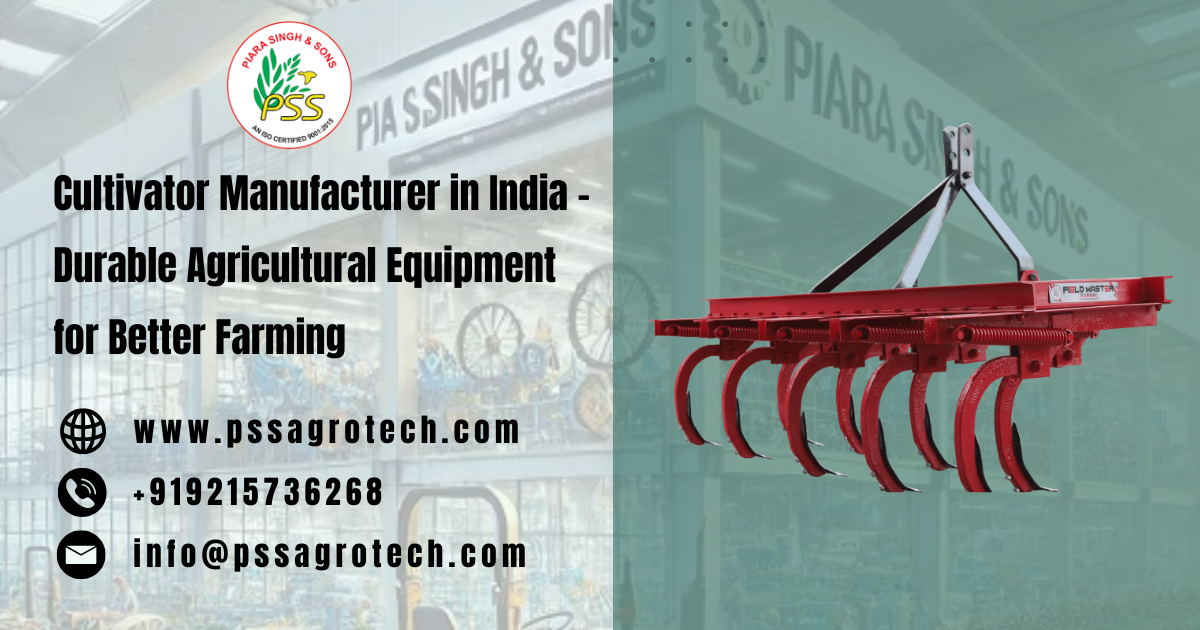
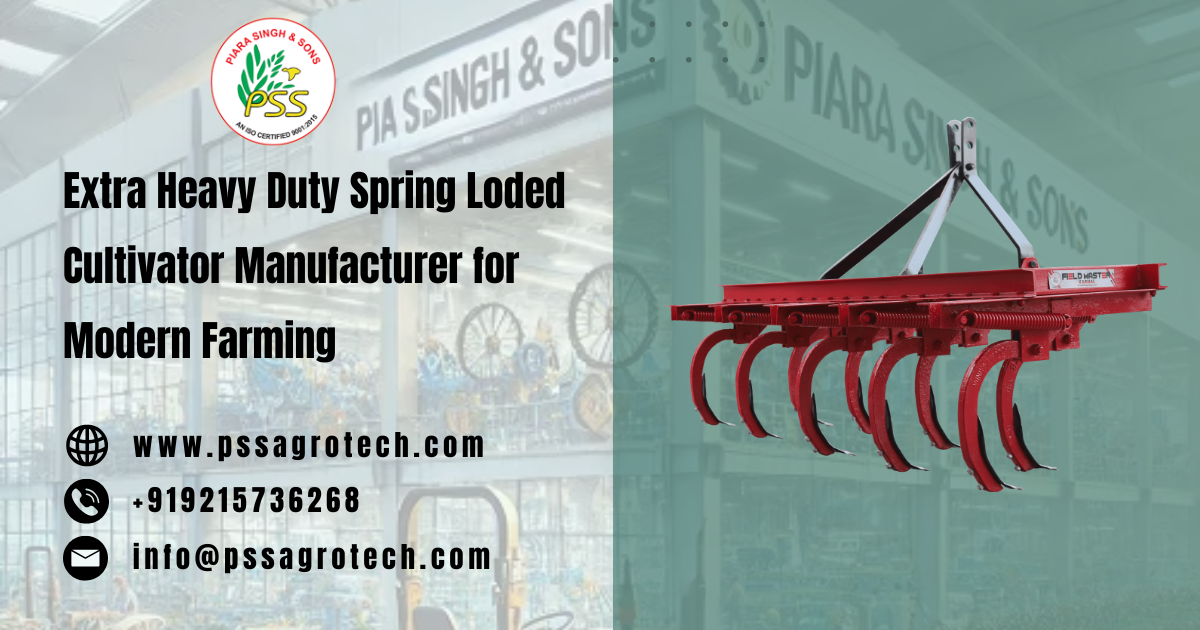
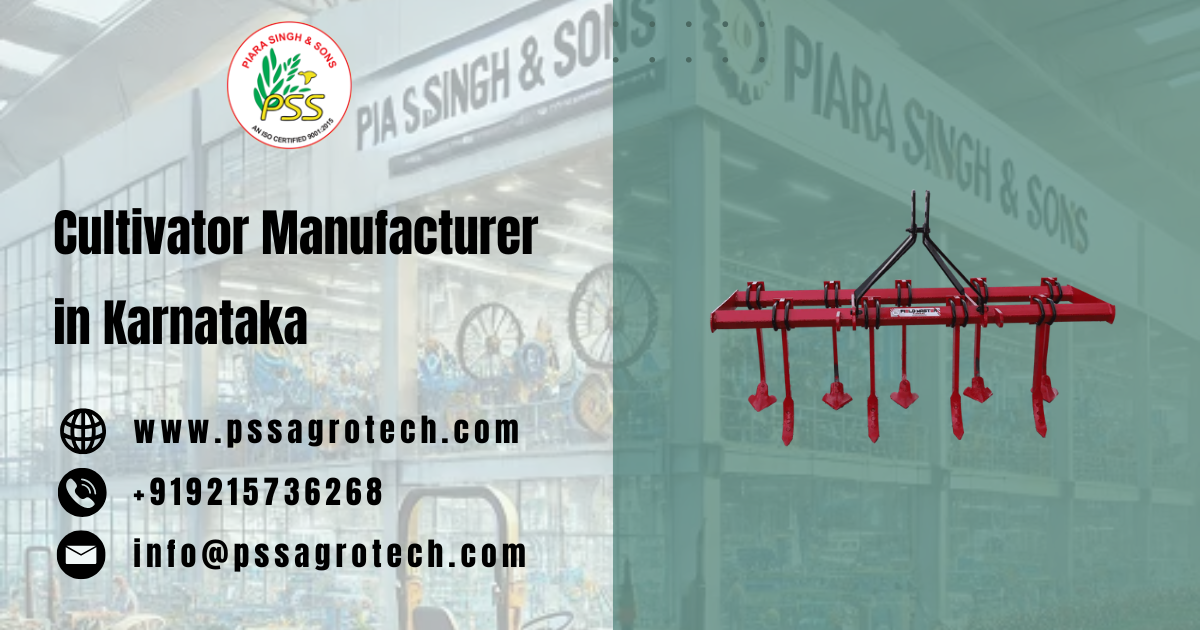
A cultivator loosens soil, breaks compaction, and stirs in surface residue without inverting the soil profile the way a plough does. The "clamp type" design refers to how the tines attach to the main frame — via adjustable clamps rather than welded or bolted-fixed mounts. That adjustability lets a farmer change tine spacing and depth for different crops or soil conditions without needing a separate machine for each job, provided the clamp mechanism itself is solid enough to hold the setting under load.
Why the Clamp Mechanism Matters More Than Buyers Realise
Loose Clamps Undo Everything Else
A cultivator can have excellent tines and a strong frame, and still perform poorly if the clamps shift during operation. Tines that drift out of alignment till unevenly, waste fuel dragging at the wrong angle, and wear down faster than they should. Piara Singh & Sons manufactures its clamp assemblies from heavier-gauge steel and machines the clamping surfaces for a tighter fit, which keeps tine position fixed even after repeated depth adjustments across a season.
Built at the Company's Own Karnal Facility
Because the company runs its own production line using CNC cutting and robotic welding rather than outsourcing fabrication, clamp tolerances stay consistent from one unit to the next. That consistency is harder to guarantee when parts are sourced from multiple smaller vendors, which is a common practice among lower-cost competitors.
A Design That's Held Up Since 1960
The clamp type cultivator isn't a new addition to the company's range — it's one of the products that helped establish the brand's reputation in Haryana decades ago. Six decades of field feedback have shaped small but meaningful changes: clamp thickness, bolt grade, and tine spacing tolerances that don't show up in a brochure but matter once the machine is working stony or compacted soil.
A Clamp Type Cultivator Manufacturer With Reach Beyond Haryana
Karnal and Faridabad — Serving the Home State
As a Clamp Type Cultivator Manufacturer in Karnal, the company benefits from direct access to its own manufacturing base, which keeps delivery times shorter for dealers across Haryana. That reach extends to the Clamp Type Cultivator Manufacturer in Faridabad market too, an area with a dense concentration of mechanised wheat and mustard farming where tillage timing is tight between crop cycles.
Hyderabad and Karnataka — Demand Growing in the South
Mechanised tillage has picked up steadily across southern India. As a Clamp Type Cultivator Manufacturer in Hyderabad, the company has supplied farms transitioning from bullock-drawn tillage to tractor-mounted implements. Further south, as a Clamp Type Cultivator Manufacturer in Karnataka, red soil and rocky terrain put real strain on tine clamps, making the strength of that fitting less of a technical detail and more of a deciding factor in the purchase.
Pune — West India's Mixed Farming Belt
In Maharashtra, the company supplies as a Clamp Type Cultivator Manufacturer in Pune, a region where sugarcane, pulses, and horticulture crops sit side by side, each needing slightly different tine spacing and depth settings from the same machine.
Ludhiana — Punjab's Mechanised Core
The brand's reach also covers Punjab as a Clamp Type Cultivator Manufacturer in Ludhiana, a district where mechanised farming is near universal and where a cultivator's reputation is built almost entirely through repeated seasons of dealer and farmer feedback.
Choosing the Right Clamp Type Cultivator
A few practical points worth checking before buying:
- Check clamp material thickness. Thin clamps flex under load and loosen faster than heavier-gauge steel.
- Match tine count to tractor horsepower. Too many tines for the available pull strains the engine and clutch.
- Ask about depth adjustment range. A wider range means fewer machines needed across different crops.
- Confirm replacement clamp availability. Clamps are a wear part, and easy replacement keeps the whole machine usable for longer.
Conclusion
The clamp on a clamp type cultivator is a small, unglamorous part of the machine, but it's the part that decides whether the rest of the cultivator performs as intended season after season. Piara Singh & Sons has built its standing as a Clamp Type Cultivator Manufacturer in Haryana, with reach into Karnal, Faridabad, Hyderabad, Karnataka, Pune, and Ludhiana, by treating that detail as worth getting right rather than as an afterthought.
FAQs
1. What does "clamp type" mean in a clamp type cultivator?
It refers to how the tines attach to the main frame — through adjustable clamps rather than fixed welded or bolted mounts — which allows tine spacing and depth to be changed for different crops.
2. Why is Piara Singh & Sons known specifically as a Clamp Type Cultivator Manufacturer in Haryana?
The company has manufactured this design from its Karnal facility since 1960, giving it a long track record within the state before expanding distribution to other regions.
3. Does the company supply clamp type cultivators outside Haryana?
Yes, the company supplies nationally, with established presence in Faridabad, Hyderabad, Karnataka, Pune, and Ludhiana.
4. How often should cultivator clamps be checked or tightened?
Ideally at the start of each season and after working particularly stony or compacted soil, since repeated impact can gradually loosen even well-made clamps.
5. Can this cultivator be used across different crops?
Yes, the adjustable clamp design allows tine spacing and depth to be changed to suit different crops and soil types, without needing a separate machine for each.Latest Blog Posts







.png)
.png)
.png)