Blog Details
Latest Updates

Company Blogs
18
August
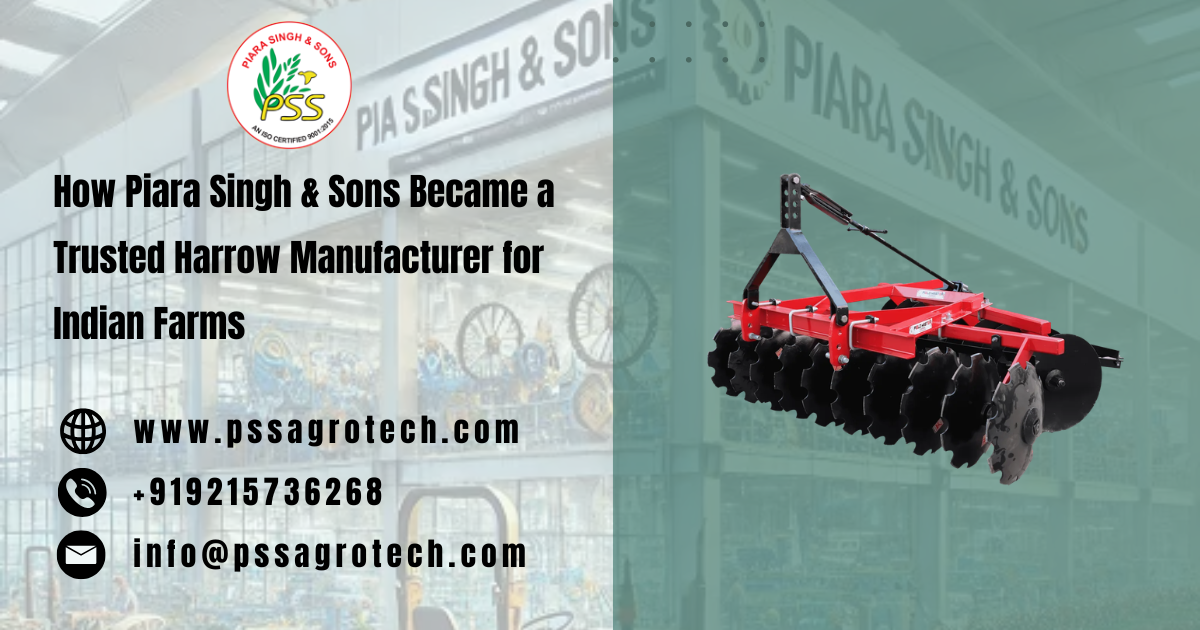
How Piara Singh & Sons Became a Trusted Harrow Manufacturer for Indian Farms
A disc harrow doesn't get much credit. It sits behind the rotavator conversation, behind the tractor conversation, and mostly gets bought once every few years without much fuss — until it breaks mid-season and a farmer realises how much of the tilling schedule depended on it. Piara Singh & Sons, a Harrow Manufacturer operating out of Karnal, Haryana since 1960, has built its reputation on the boring but essential part of that story: harrows that keep working long after the warranty period ends.
What a Disc Harrow Is Actually For
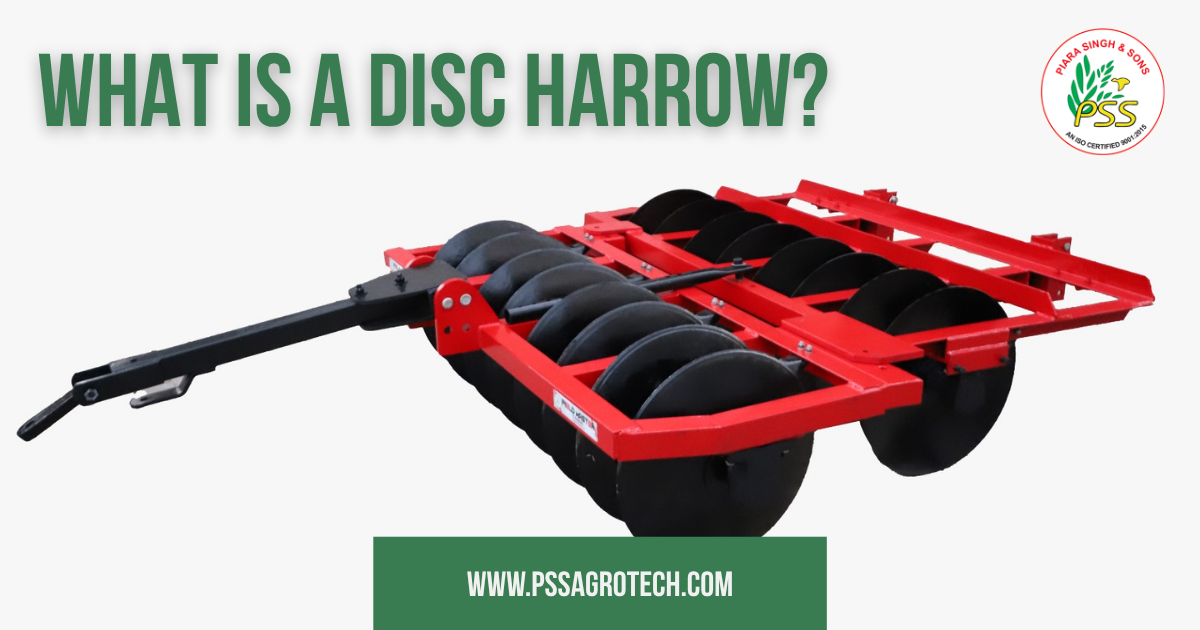
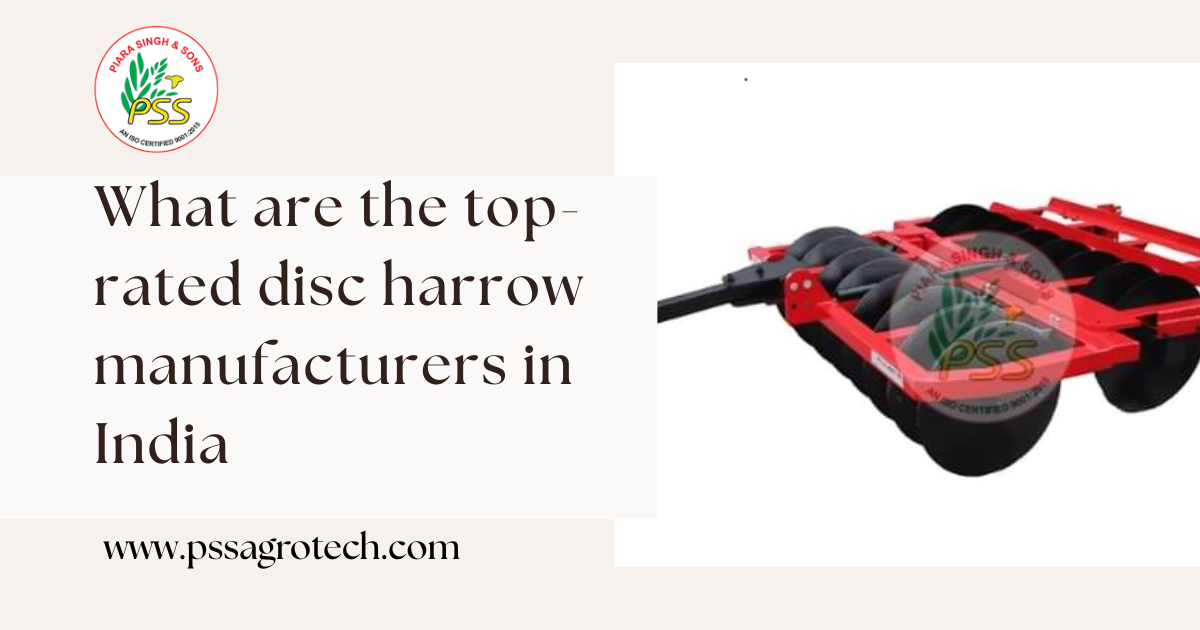
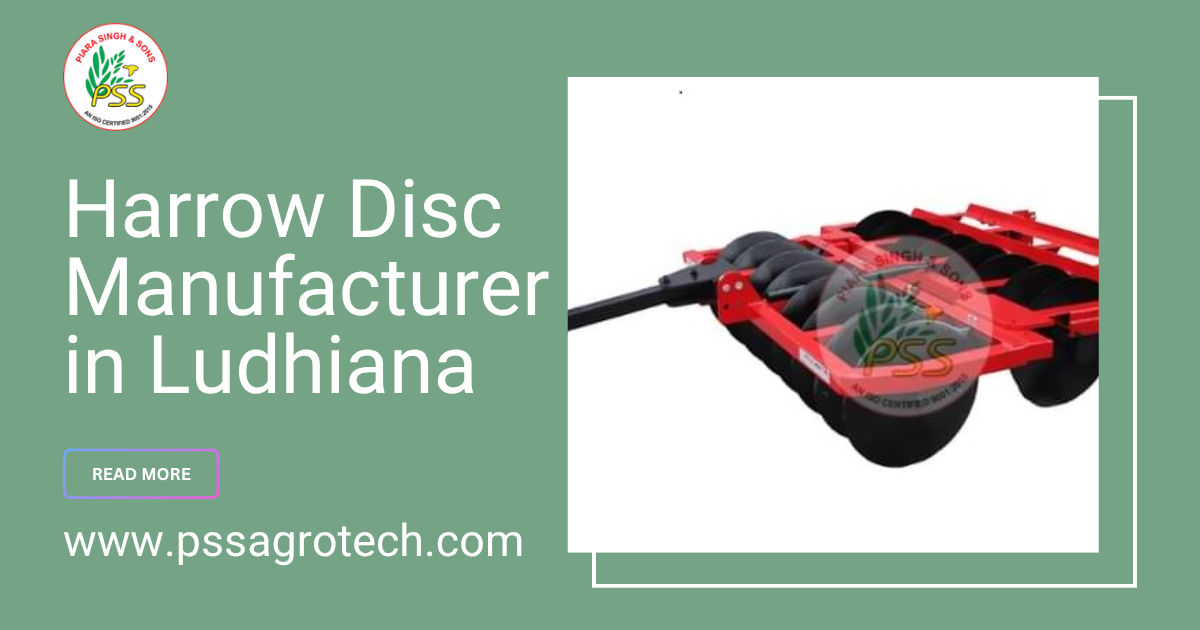
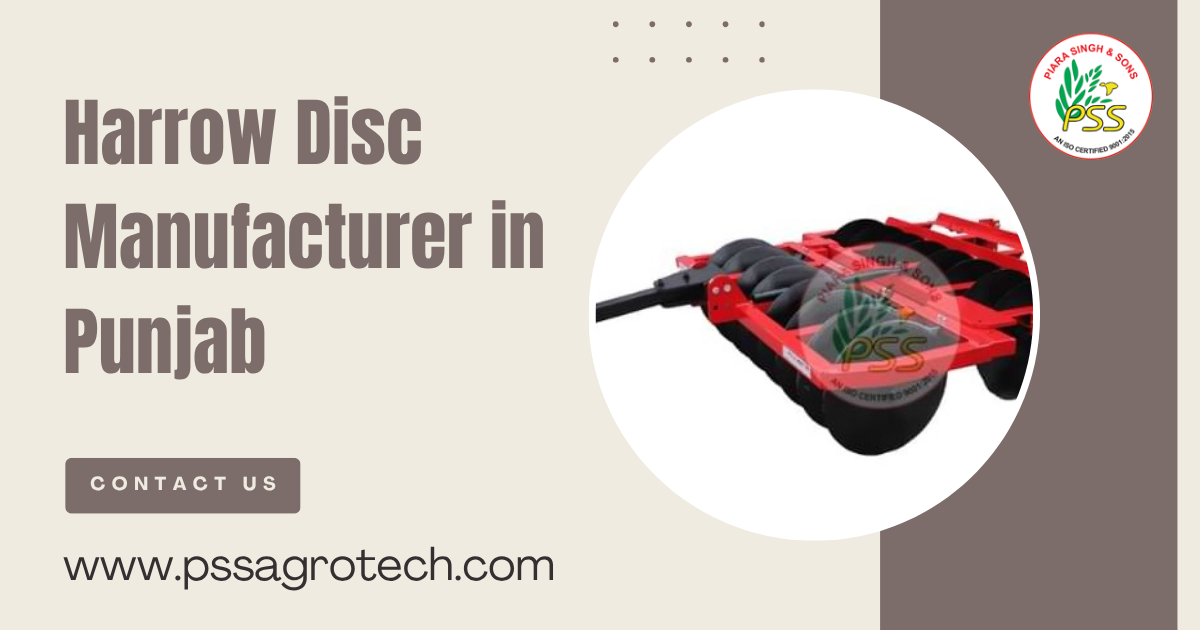
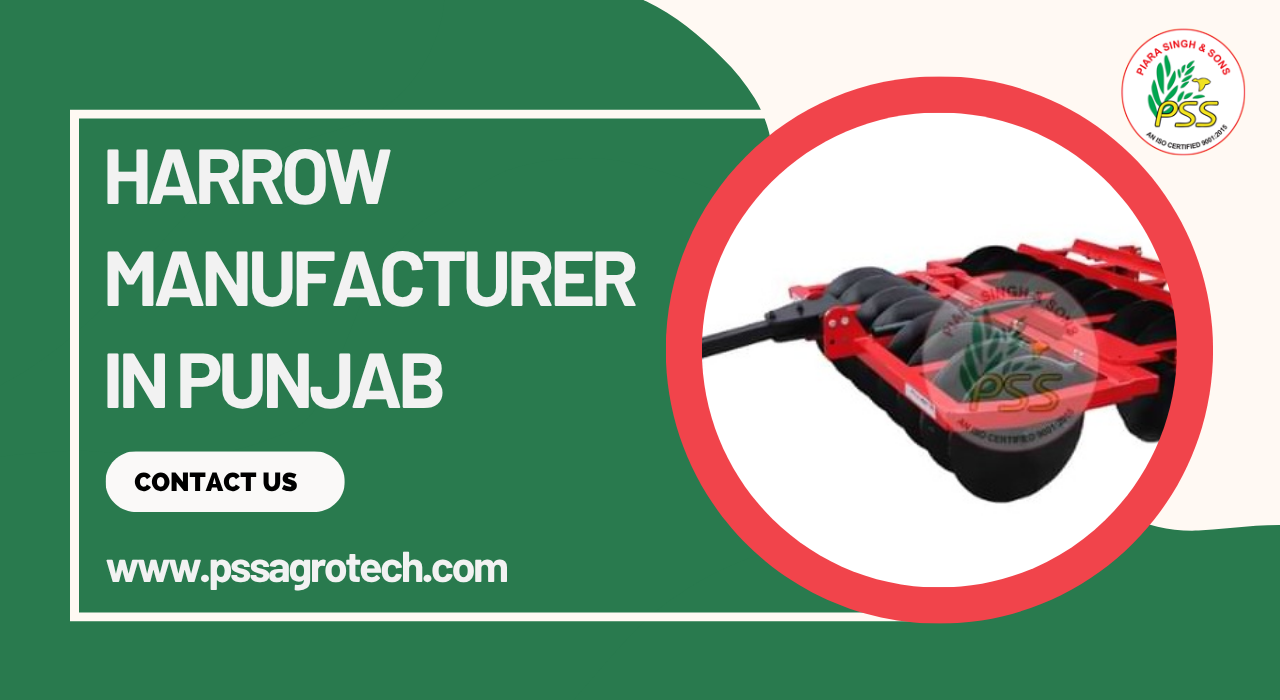
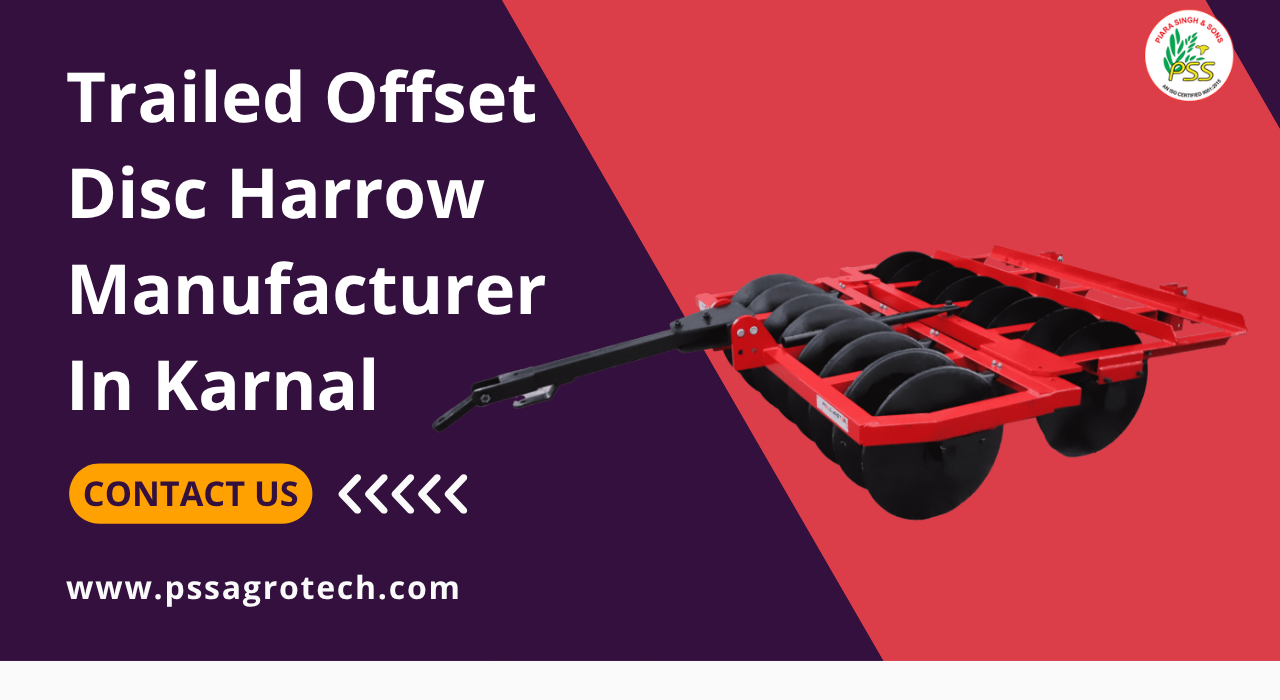
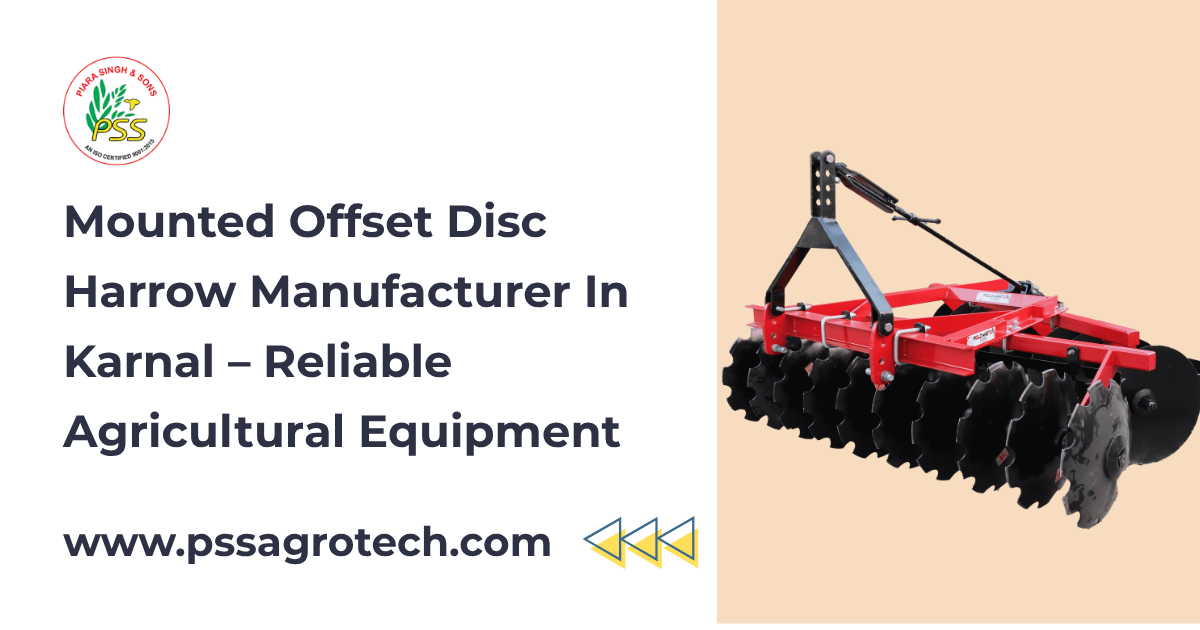
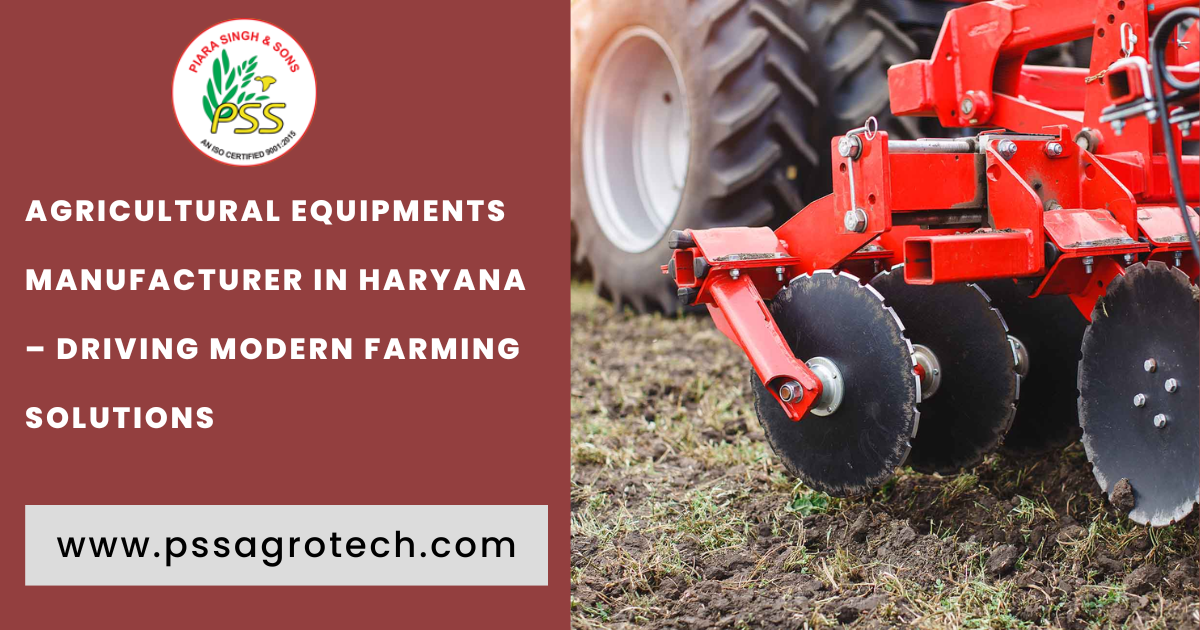
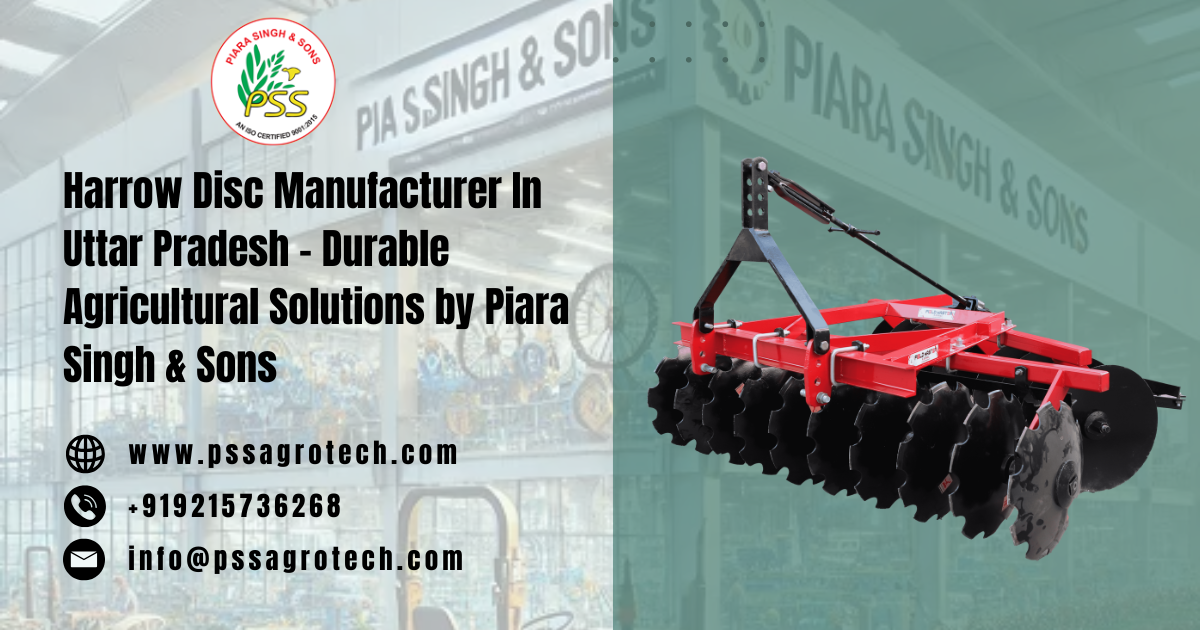
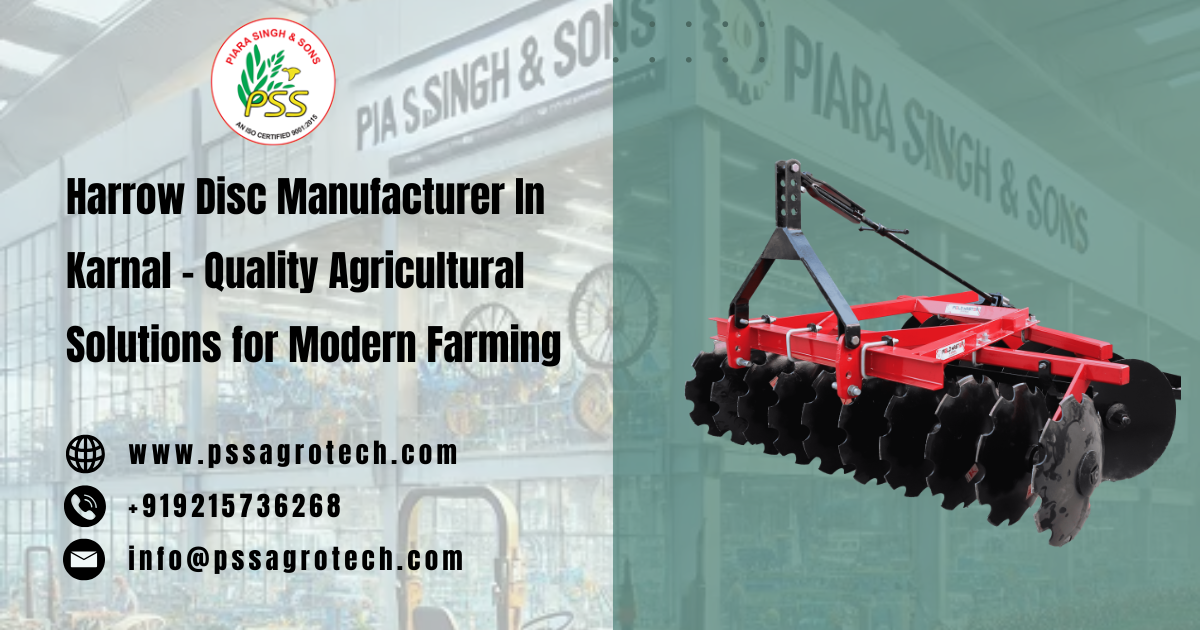
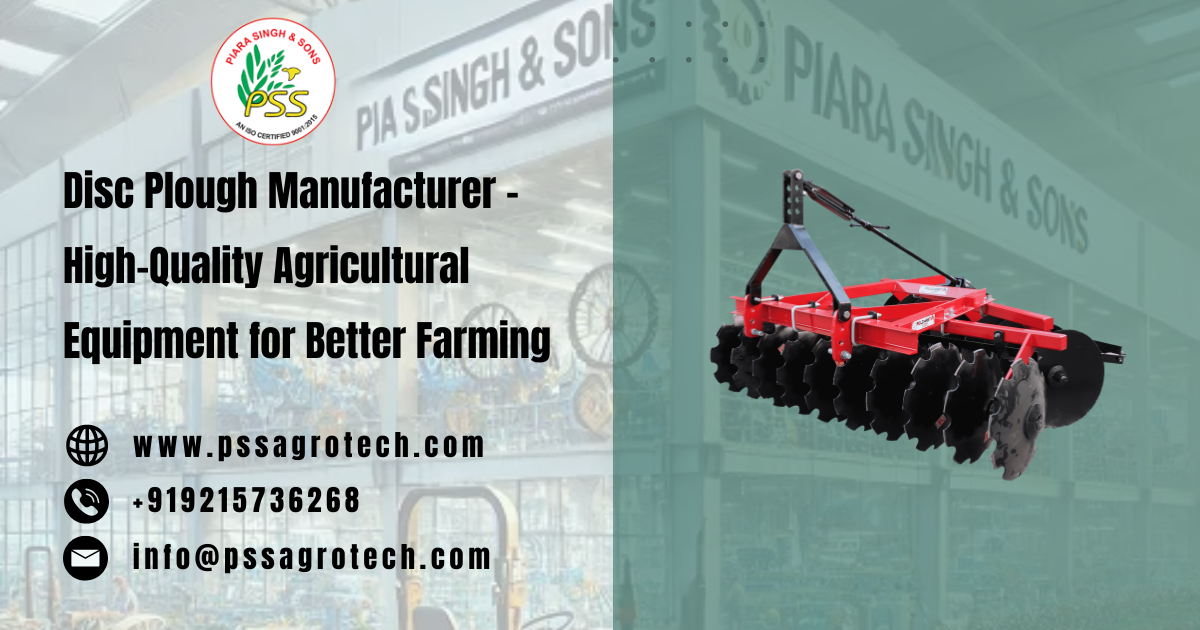
A disc harrow uses rows of angled steel discs to break up clods, cut through crop residue, and level a field after ploughing. It's usually the step between rough tillage and a fine seedbed, and it does that job faster than repeated passes with a cultivator. Two main types dominate Indian farms: trailed offset disc harrows, pulled behind the tractor for wider coverage, and mounted offset disc harrows, attached directly for tighter turning in smaller or irregular plots.
Why Farmers Keep Choosing Piara Singh & Sons
Built From Heavier Steel, Not Just Marketed As Heavy Duty
Disc harrow failures usually come down to one of two things: the discs wearing thin too quickly, or the frame flexing under load until welds crack. Piara Singh & Sons manufactures its harrows using CNC-cut components and robotic welding at its own Karnal facility, which keeps frame tolerances consistent — something that's genuinely hard to guarantee when fabrication is outsourced to smaller job shops.
A Product Range That Covers Different Field Conditions
Not every field needs the same disc spacing or gang angle. The company's range includes trailed offset disc harrows for large open fields and mounted offset disc harrows for compact or hilly terrain, alongside its wider catalogue of cultivators, rotavators, seed drills, and trailers. A farm or dealer can usually cover multiple tillage needs from one supplier instead of mixing brands.Sixty-Plus Years of Field Feedback
A company that's been manufacturing since 1960 has had a lot of time to hear what breaks and why. That history shows up in small details — disc thickness, bearing quality, hitch design — that don't appear on a spec sheet but matter enormously once the machine is actually working red soil in Karnataka or heavy clay in Gujarat.
Where Piara Singh & Sons Supplies Harrows Across India
Home Ground: Karnal and Faridabad
As a Harrow Manufacturer in Karnal, the company operates from its own manufacturing base, which shortens lead times and makes on-site servicing far more practical for local farms. The same logic extends to Haryana's wider belt, where it also serves as a Harrow Manufacturer in Faridabad, an area with a dense concentration of mechanised wheat and mustard farming.
South India's Growing Demand
Mechanisation has picked up noticeably across the south in recent years. As a Harrow Manufacturer in Hyderabad, the company has found steady demand from farms shifting from bullock-drawn implements to tractor-mounted equipment. Further south, as a Harrow Manufacturer in Karnataka, it deals with tougher, often stony red soil, which puts real pressure on disc durability and makes build quality less negotiable.
West India: Pune and Gujarat
In Maharashtra, the company supplies as a Harrow Manufacturer in Pune, a region with a mix of sugarcane belts and mixed cropping that calls for versatile tillage equipment. Across the border in Gujarat, as a Harrow Manufacturer in Gujarat, it works with farms managing everything from cotton to groundnut, crops that each demand slightly different residue-handling from a harrow.
Punjab's Mechanised Heartland
Given the company's roots in the region, it remains an established Harrow Manufacturer in Ludhiana, where mechanised farming is close to universal and equipment reputations travel fast through dealer networks and word of mouth.
Choosing the Right Disc Harrow
A few practical points worth checking before buying:
- Match harrow width to tractor horsepower. Too wide a harrow for the tractor's pull strains the gearbox and clutch.
- Consider disc diameter for your soil type. Larger discs cut deeper, useful for compacted or clay-heavy soil.
- Ask about bearing seals. Poorly sealed bearings are the most common early failure point in dusty conditions.
- Check whether it's trailed or mounted. Mounted harrows turn tighter but generally cover less ground per pass than trailed versions.
Conclusion
A harrow isn't the implement farmers get excited about, but it's often the one that determines whether the rest of the season's tillage goes to plan. Piara Singh & Sons has stayed in this business since 1960 by treating that unglamorous reliability as the whole point, supplying farms as a Harrow Manufacturer in Karnal, Faridabad, Hyderabad, Karnataka, Pune, Ludhiana, and Gujarat with equipment built to survive real field conditions rather than just look good at the point of sale.
FAQs
1. What's the difference between a trailed and a mounted disc harrow?
A trailed harrow is pulled behind the tractor and generally covers more ground per pass, while a mounted harrow attaches directly to the tractor's hitch and offers tighter manoeuvrability in smaller or irregular fields.
2. How often should disc harrow blades be replaced?
It depends on soil type and usage, but discs working in stony or heavy clay soil typically wear faster and should be inspected each season for thinning or chipping.
3. Does Piara Singh & Sons supply harrows outside Haryana and Punjab?
Yes, the company supplies harrows nationally, including strong dealer presence in Faridabad, Hyderabad, Karnataka, Pune, Ludhiana, and Gujarat.
4. What size disc harrow suits a mid-sized farm?
This depends on tractor horsepower and field size, but most mid-sized farms in India run trailed offset harrows in the 20 to 24 disc range — a dealer can confirm the exact match for your tractor.
5. Can I buy other tillage equipment from the same manufacturer?
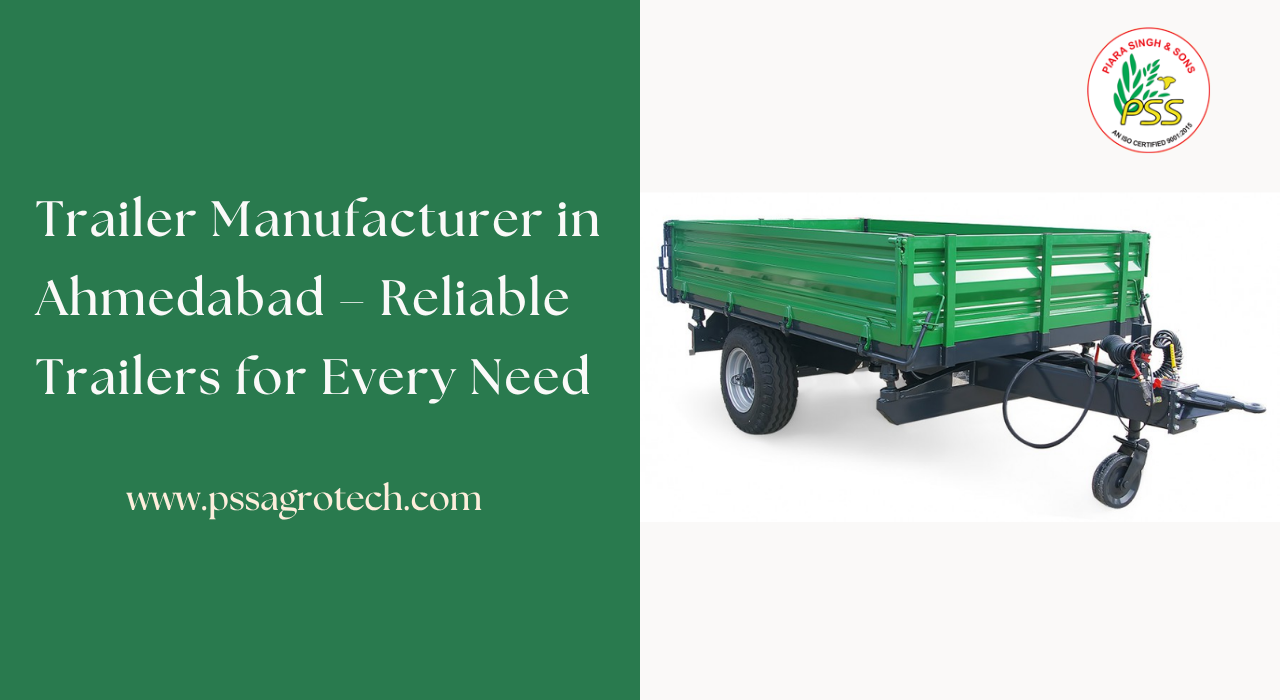
Yes, Piara Singh & Sons also manufactures cultivators, rotavators, seed drills, trailers, and boom sprayers, so multiple implements can be sourced from a single supplier.
Latest Blog Posts



.png)
.png)
.png)
.png)