
Blog Details
Latest Updates

Company Blogs
.png)
22
September
Extra Heavy Duty Spring-Loaded Cultivator Manufacturer In Uttar Pradesh
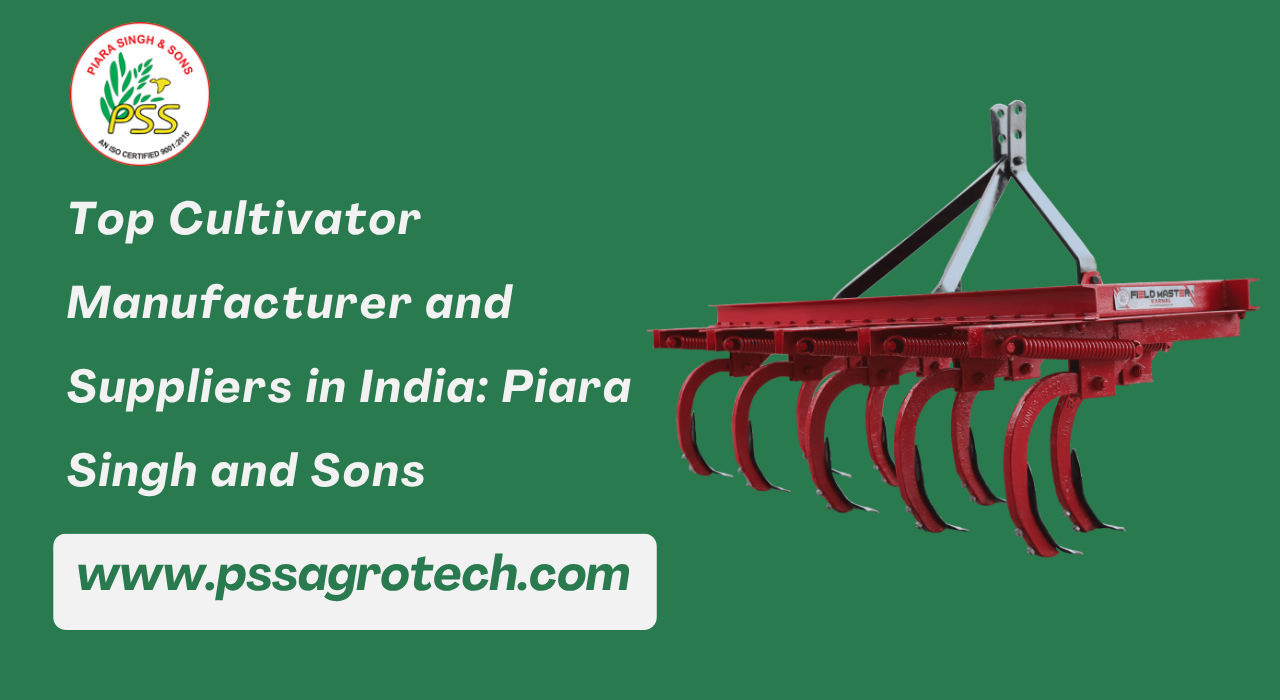
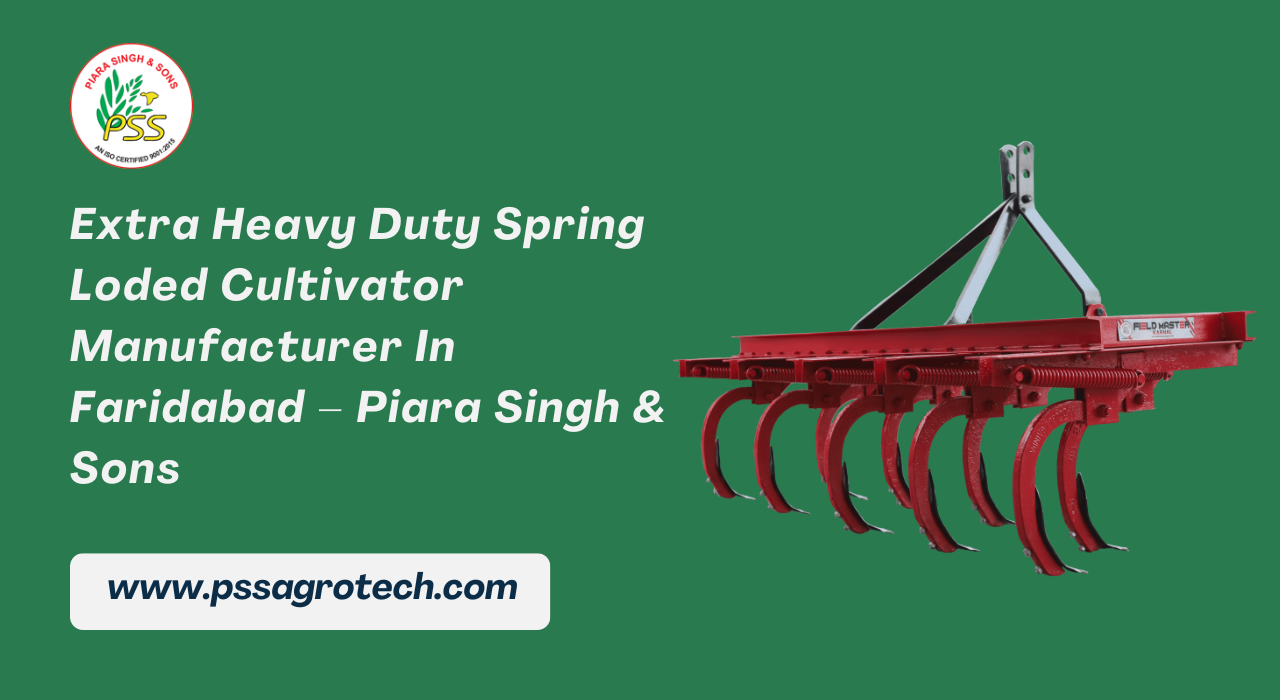
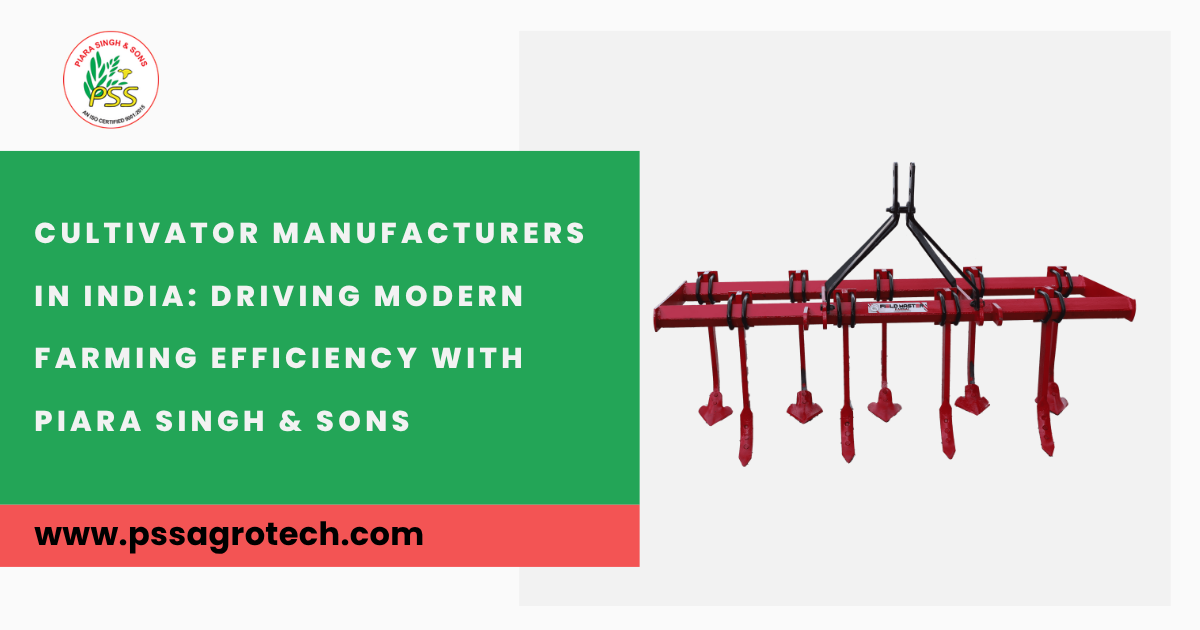
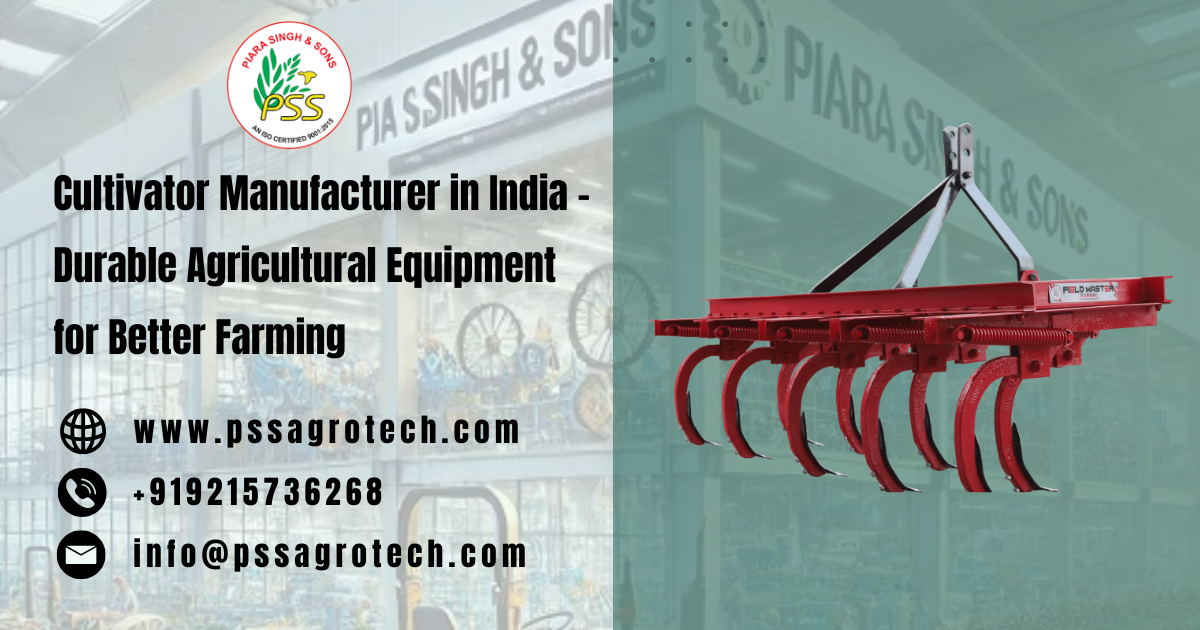
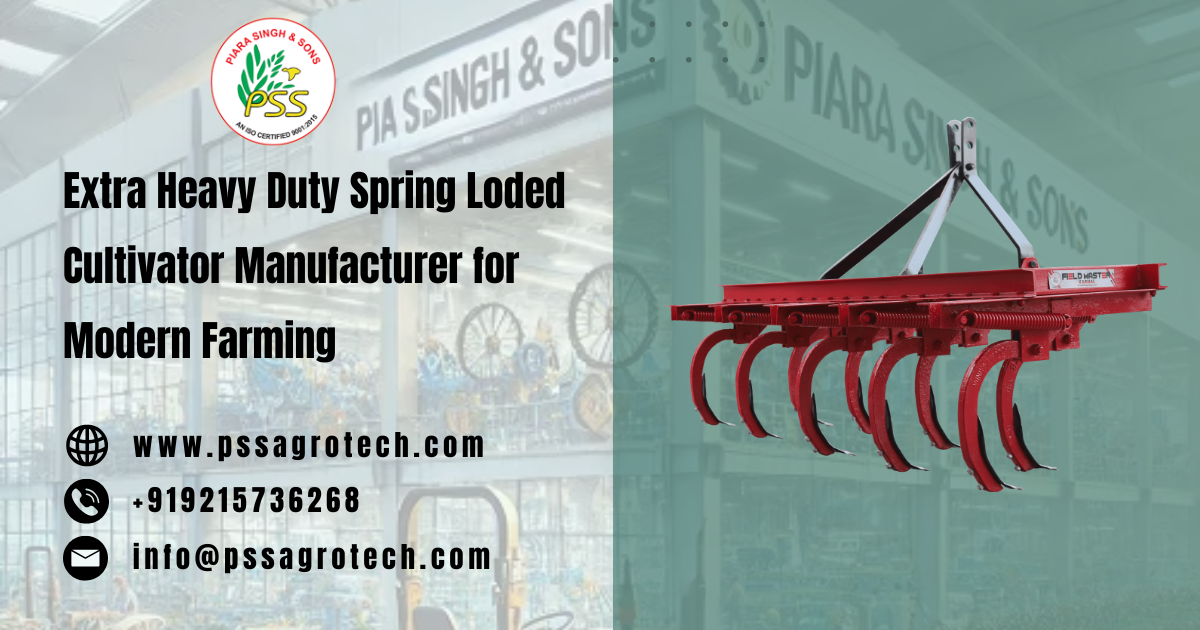
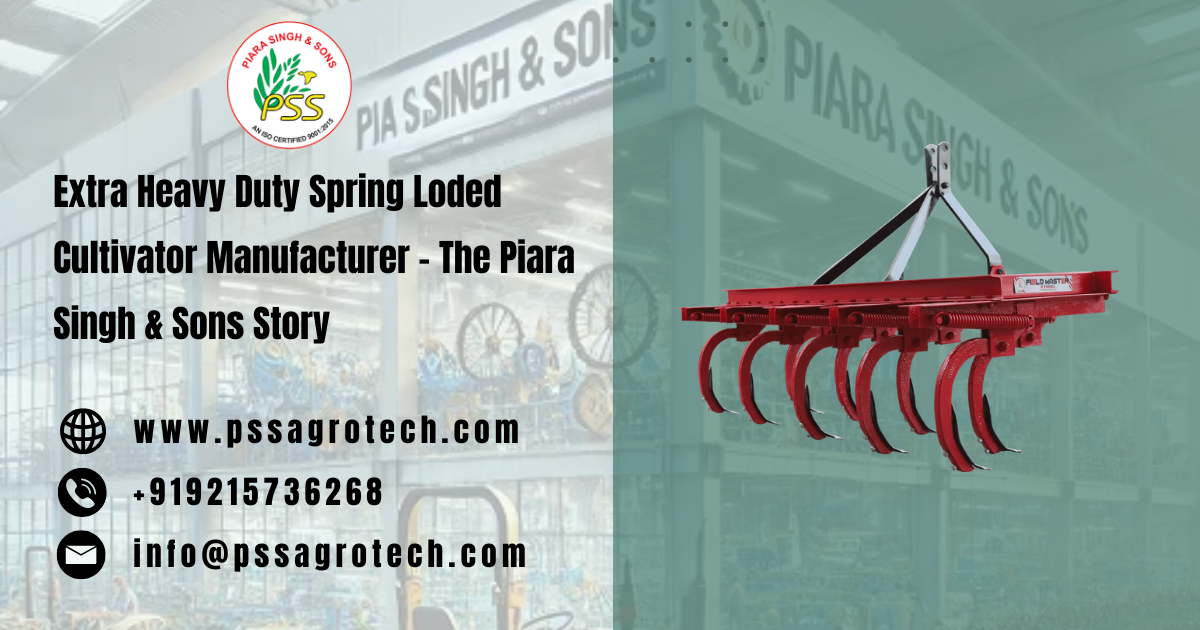
Uttar Pradesh's farmland covers everything from the alluvial plains along the Ganga to harder, compacted stretches further inland, and that variation puts real strain on cultivator equipment that isn't built for it. Standard cultivators tend to flex, bend, or snap tynes when they hit dense or rocky soil repeatedly, which is exactly why demand for a genuine Extra Heavy Duty Spring-Loaded Cultivator Manufacturer In Uttar Pradesh has grown steadily among farmers moving away from lighter, rigid models.
Piara Singh & Sons manufactures agricultural implements from its base in Karnal, Haryana, including spring-loaded cultivators built for tougher field conditions. This article walks through what actually separates an extra heavy duty spring-loaded cultivator from a standard one, what UP buyers should check before ordering, and why a manufacturer's presence across states like Punjab and Karnataka tends to reflect genuine build quality rather than just marketing reach.
What "Extra Heavy Duty" Actually Means
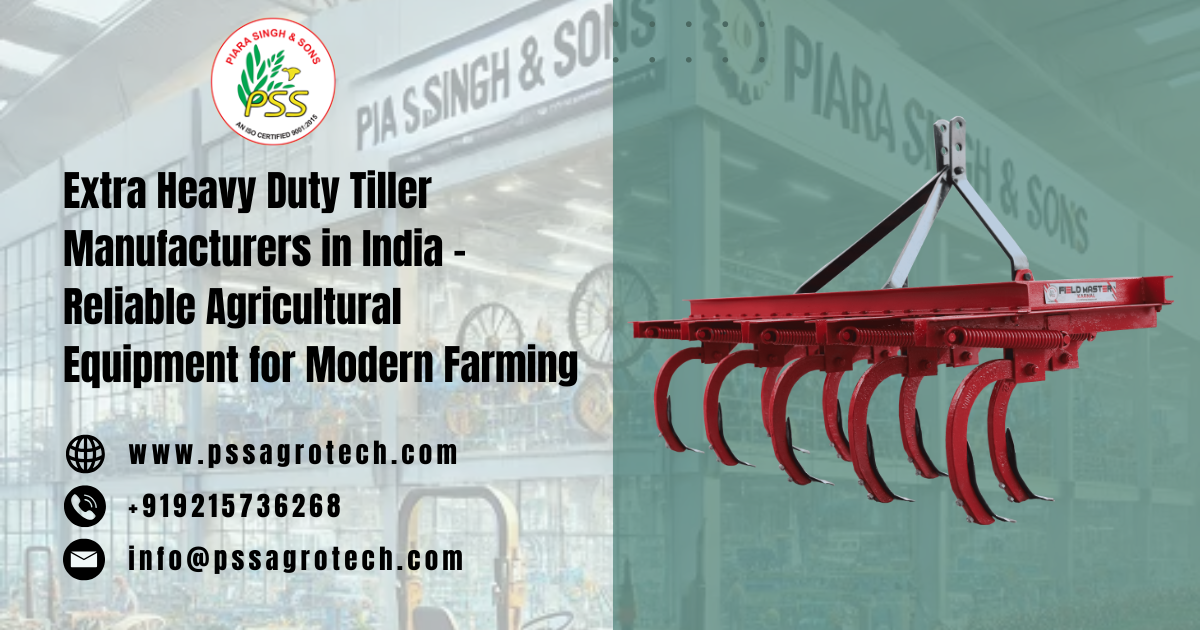
The term gets used loosely, so it's worth being specific. An extra heavy duty spring-loaded cultivator typically means a thicker frame gauge, reinforced tyne mounting points, and stronger springs rated to absorb repeated shock without losing tension over time. On paper, a lot of cultivators look similar. In the field, the difference shows up after a season or two, when a lighter-duty spring starts sagging and the tynes stop resetting properly after hitting an obstruction.For UP farmers working denser soil types, particularly in areas with higher clay content, that reinforced build isn't a luxury upgrade — it's the difference between a cultivator lasting several seasons and one needing frame repairs within the first year.
Why Spring-Loaded Beats Rigid for Uttar Pradesh's Soil
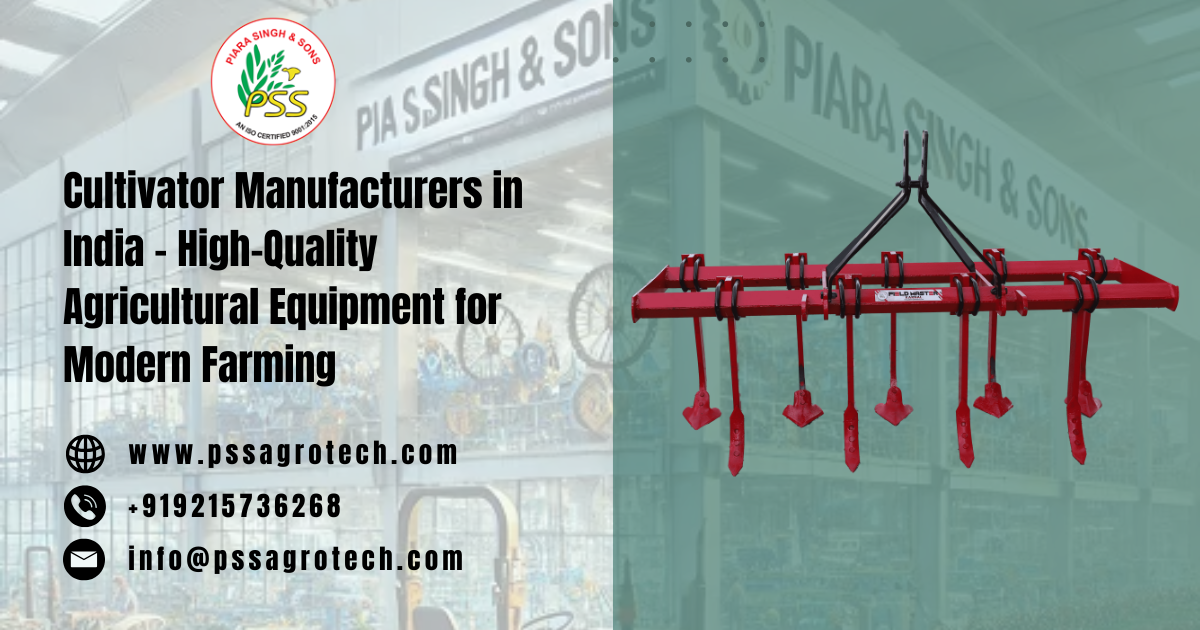
Rigid cultivators are simpler and cheaper, but they transfer shock directly through the frame whenever a tyne strikes a rock or hard clay clump. Spring-loaded designs let the tyne flex back and reset, which protects both the tyne and the frame. Given how much of UP's cultivated land includes buried debris, old root systems, and inconsistent soil density from one field to the next, that flexibility tends to pay for itself in reduced breakage alone.What to Check Before Ordering
Spring Quality and Tension RatingNot all springs are built the same, and a supplier who can't tell you the tension rating or spring steel grade is usually working from generic stock rather than a properly engineered design. Ask directly, and if the answer is vague, treat that as a warning sign rather than a minor detail.
Frame Gauge and Tyne Hardening
Thicker frame steel resists twisting under load, and hardened tynes hold their working edge longer before needing replacement. Buyers often focus on price per tyne without checking the hardening process, which is usually the more important factor for long-term durability.
Working Width Matched to Tractor Horsepower
An extra heavy duty cultivator draws more power than a lighter model, and pairing it with an undersized tractor strains both the implement and the engine. A manufacturer worth ordering from should ask about your tractor's HP rating before confirming a configuration, rather than simply processing the order as submitted.
After-Sales Support and Spare Tynes
Even a well-built cultivator eventually needs a tyne replaced or a spring retensioned. Confirming that spare parts are readily available, and not just the complete unit, saves a lot of downtime during the working season.
Why a Manufacturer's Multi-State Presence Is Worth Noting
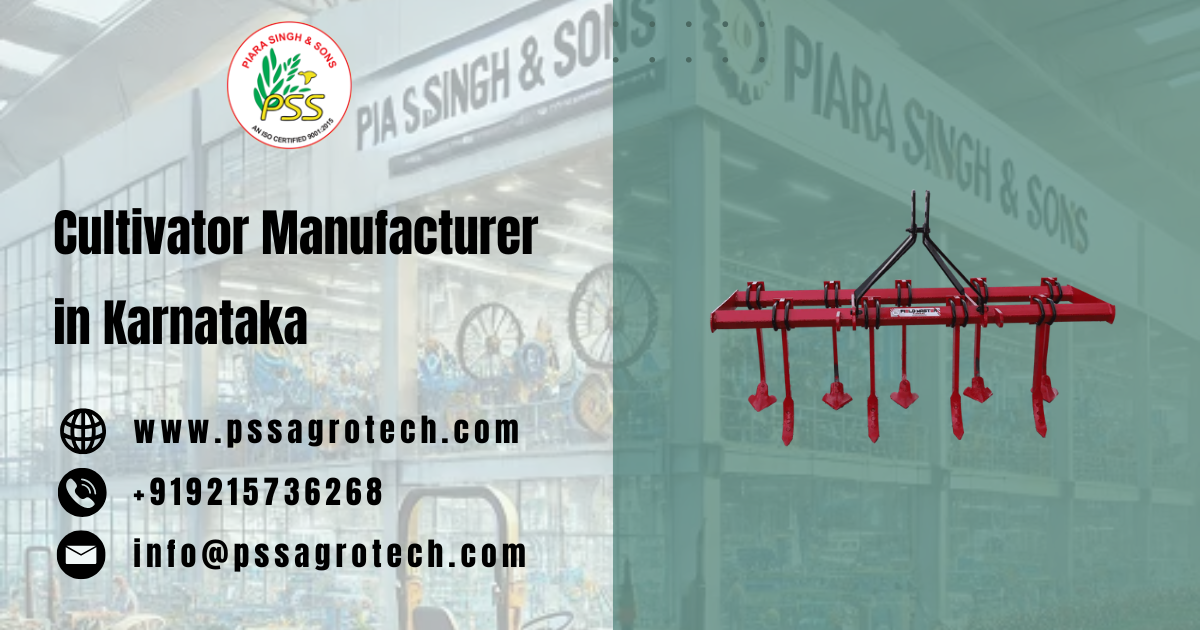
It's reasonable to assume a manufacturer focused heavily on Punjab or Haryana might not fully understand UP's specific soil conditions. In practice, manufacturers supplying an Extra Heavy Duty Spring-Loaded Cultivator Manufacturer in Punjab customer base are usually building for some of the toughest soil conditions in the country already, which tends to translate well into other regions rather than requiring a separate product line.Piara Singh & Sons' equipment also reaches customers through an Extra Heavy Duty Spring-Loaded Cultivator Manufacturer in Karnataka demand base, covering red soil and black cotton soil zones that place very different stresses on a cultivator frame compared with UP's alluvial plains. A manufacturer building for that range of conditions across states generally ends up with a more robust standard design than one working in a single, narrower market.
Conclusion
An extra heavy duty spring-loaded cultivator is only as good as the engineering behind the spring tension and frame construction, and that's not something a buyer can judge from a price list alone. Piara Singh & Sons manufacturing base in Karnal, combined with a customer footprint stretching across Punjab, Karnataka, and now Uttar Pradesh, reflects a build standard tested against a genuinely wide range of soil conditions. For UP farmers dealing with dense or variable soil, that track record matters more than simply choosing whichever supplier happens to be closest.FAQs
Q: What makes a cultivator "extra heavy duty" rather than standard?A: It usually comes down to thicker frame gauge, reinforced tyne mounts, and stronger springs rated for repeated shock, rather than any single feature on its own.
Q: Is a spring-loaded cultivator worth the extra cost over a rigid model?
A: For soil with buried debris, roots, or inconsistent density, yes — the reduced breakage and longer tyne life generally offset the higher upfront price within a season or two.
Q: How do I know if a cultivator matches my tractor's horsepower?
A: A reliable manufacturer will ask for your tractor's HP rating and recommend a working width and tyne configuration accordingly, rather than selling a generic setup.
Q: Does a manufacturer's experience in other states matter for buyers in Uttar Pradesh?
A: Yes — manufacturers building for tougher soil conditions in states like Punjab tend to carry that engineering standard into other markets, which often means a more durable product overall.
Latest Blog Posts



.png)
.png)
.png)
