
Blog Details
Latest Updates

Company Blogs
22
September
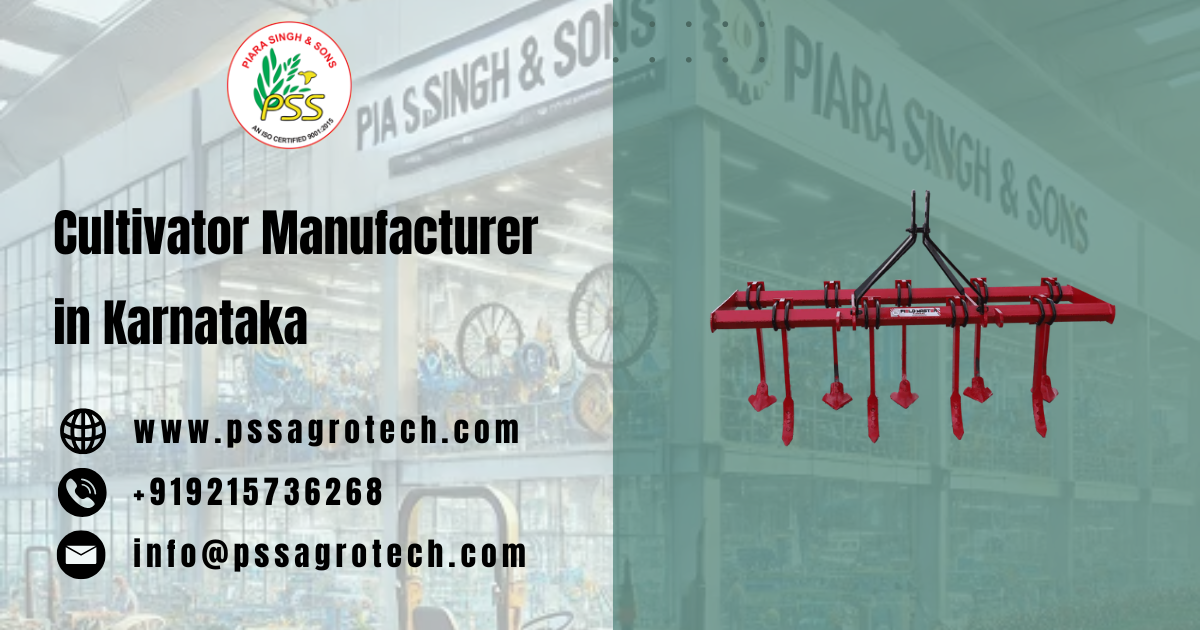
Cultivator Manufacturer in Karnataka
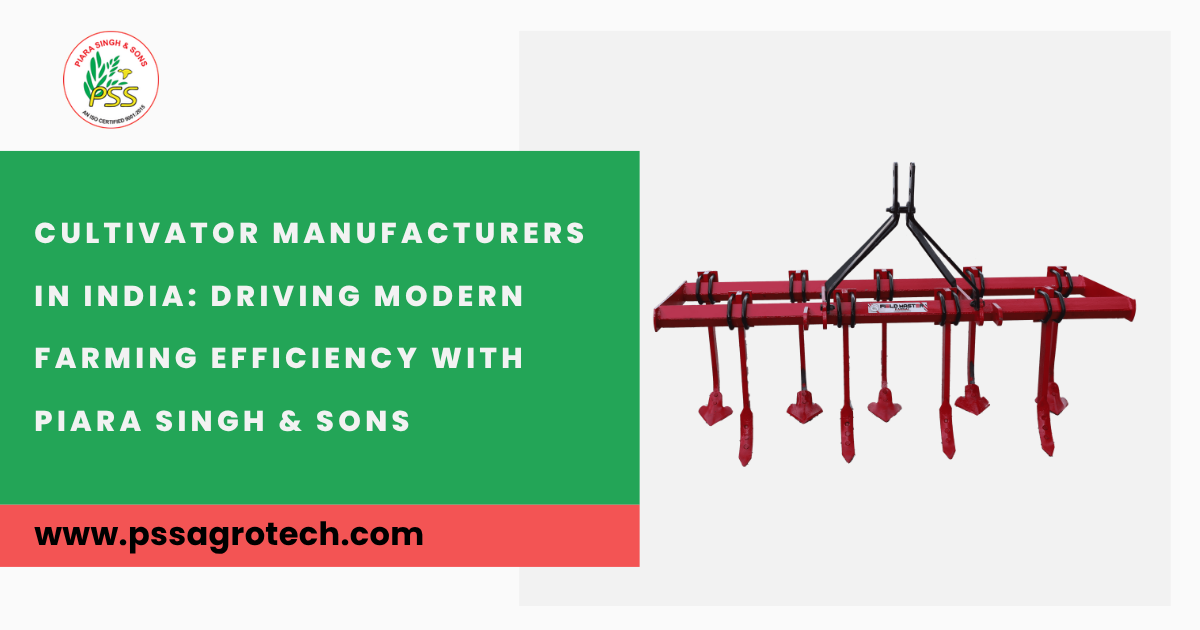
Cultivators don't get the attention that tractors or harvesters do, but ask any farmer who's dealt with a rigid frame snapping mid-season and they'll tell you it's the implement that quietly determines how a whole planting cycle goes. For buyers in Karnataka looking to source directly from the manufacturer rather than through a chain of local dealers, finding a reliable Cultivator Manufacturer in Karnataka — or a supplier willing to ship from further north — comes down to a few practical checks that most buyers only learn the hard way.
Piara Singh & Sons has been manufacturing agricultural implements out of Karnal, Haryana, producing rigid and loaded cultivators, tynes, seed drills, and related farm equipment. This article looks at what buyers in Karnataka should verify before ordering, and how a manufacturer's reach across states like Tamil Nadu, Gujarat, and Maharashtra often says more about product reliability than local proximity does.
Why Sourcing Location Matters Less Than Buyers Assume
There's a common instinct to look for a manufacturer physically based in Karnataka, on the assumption that local means faster service and easier trust. In practice, cultivators are built to standard specifications that travel well, and freight within India for heavy implements is routine business for established manufacturers. What actually matters more is build quality, tyne strength, and whether the manufacturer stands behind the product after it leaves the factory.Karnataka's mixed terrain — from the red soil of the Deccan plateau to the black cotton soil zones — puts real demands on cultivator tynes. Soil type affects how much strain the frame takes, and a cultivator built without that in mind tends to bend or crack tynes faster than one engineered for varied field conditions.
What to Check Before Buying a Cultivator
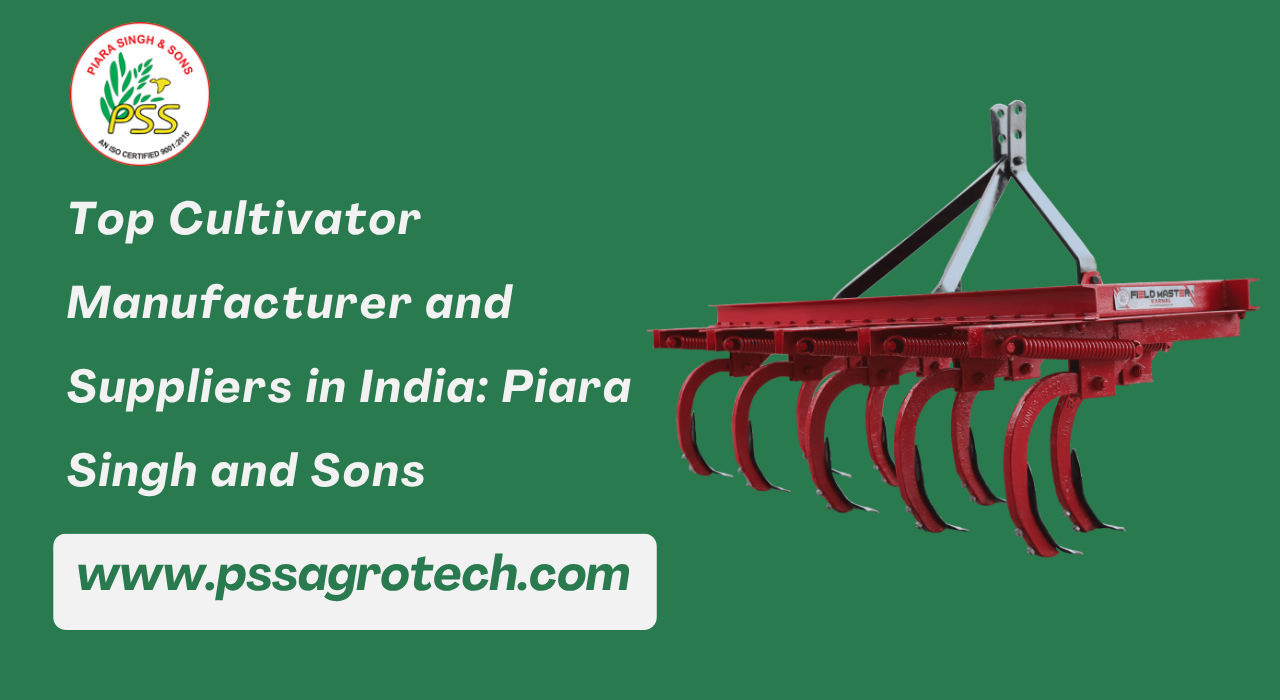
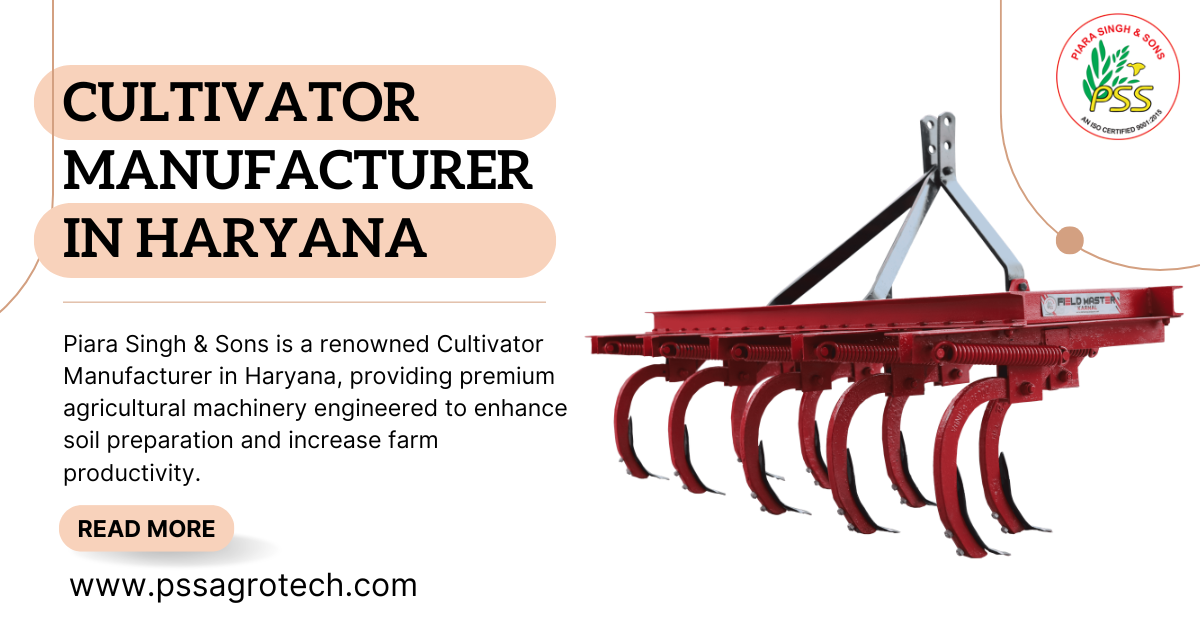
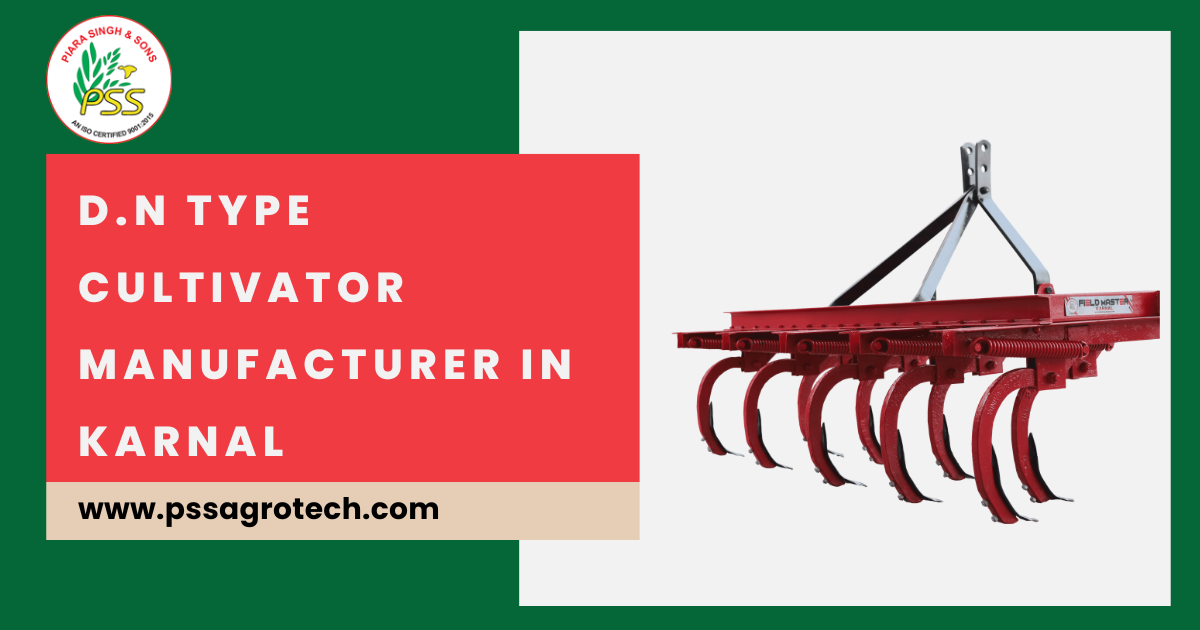
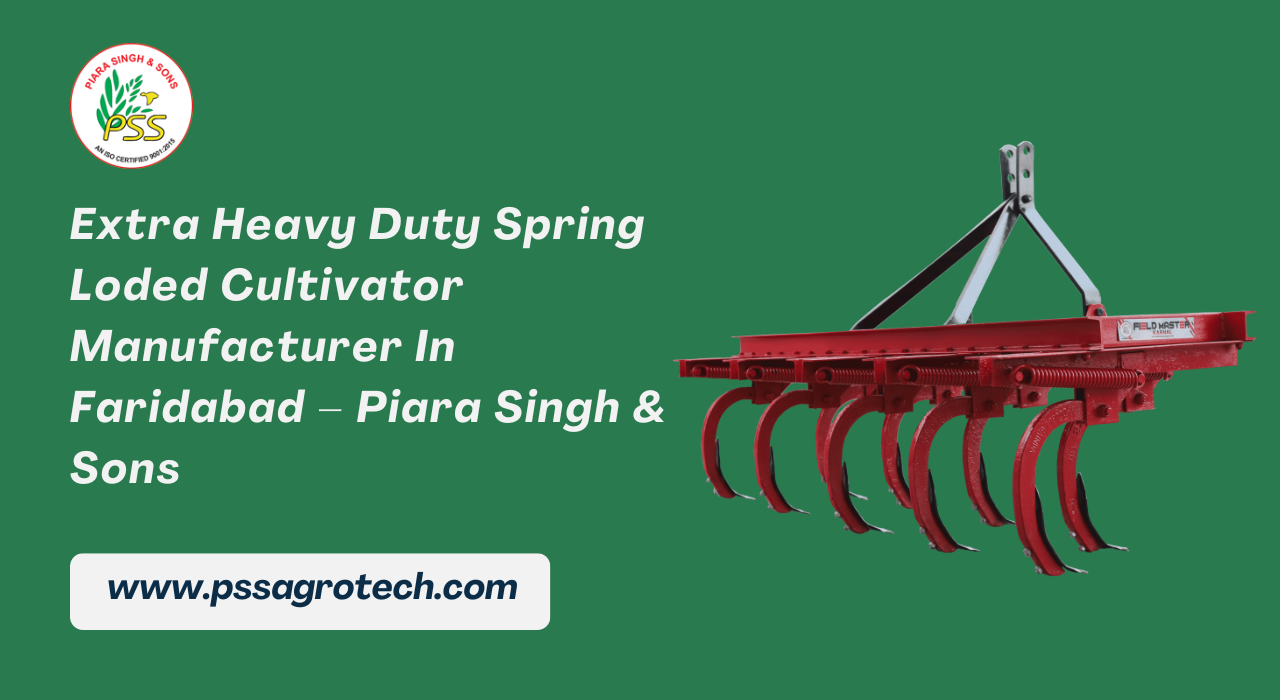
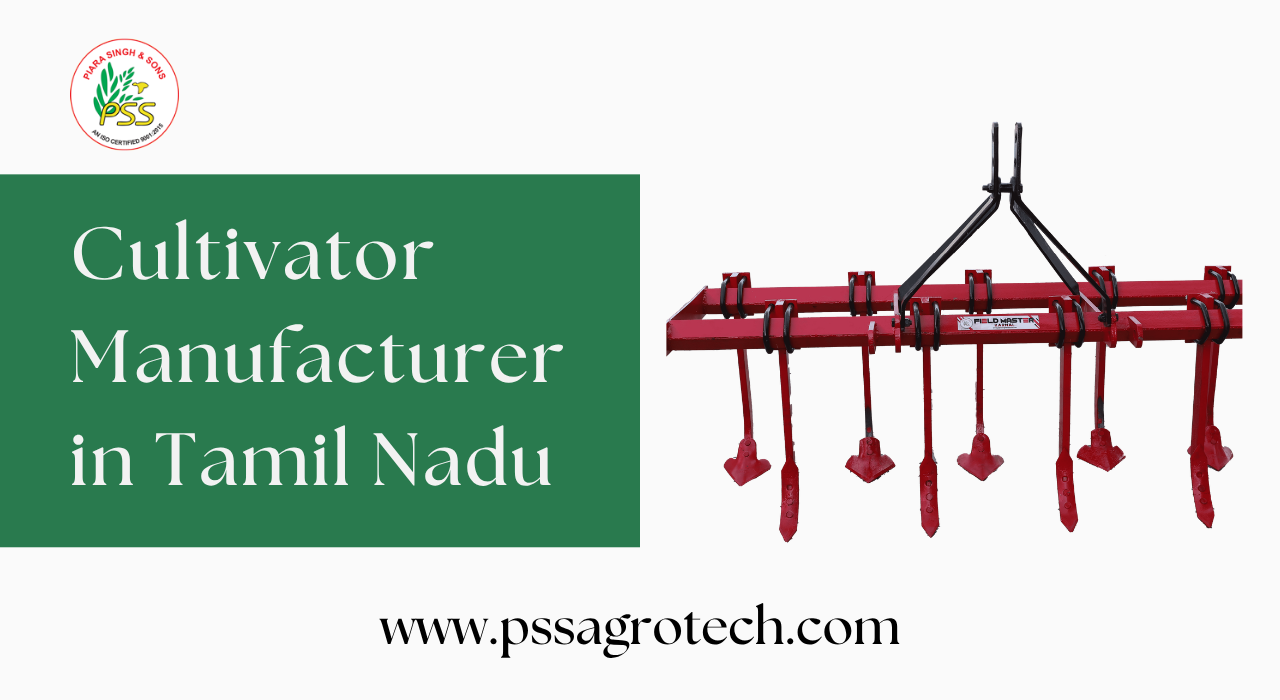
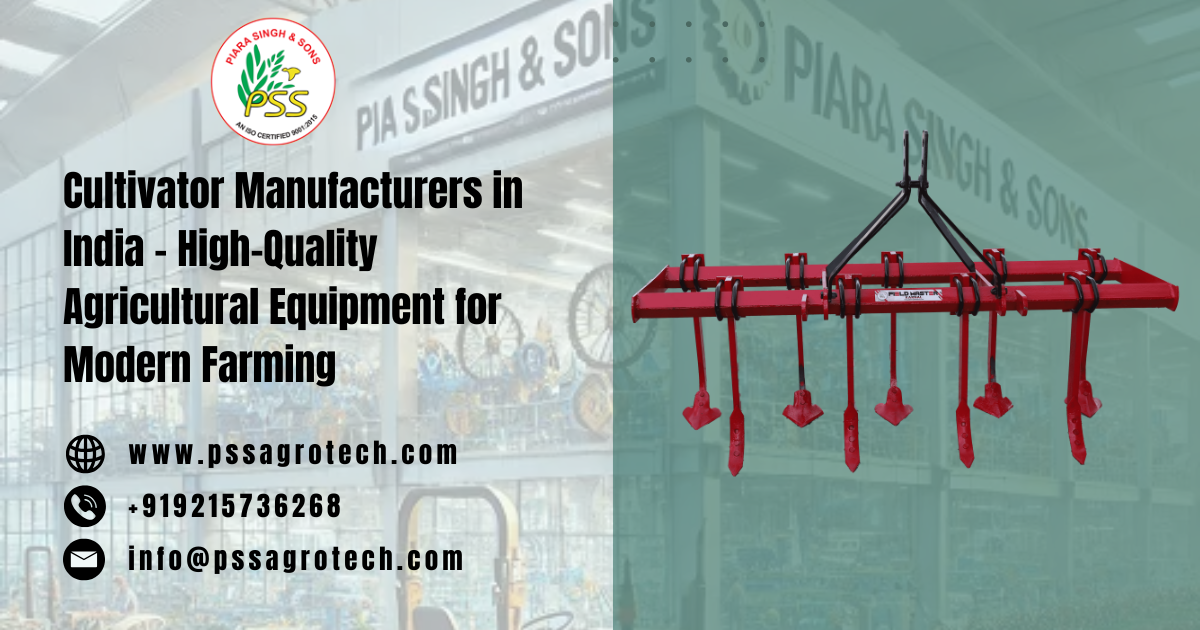
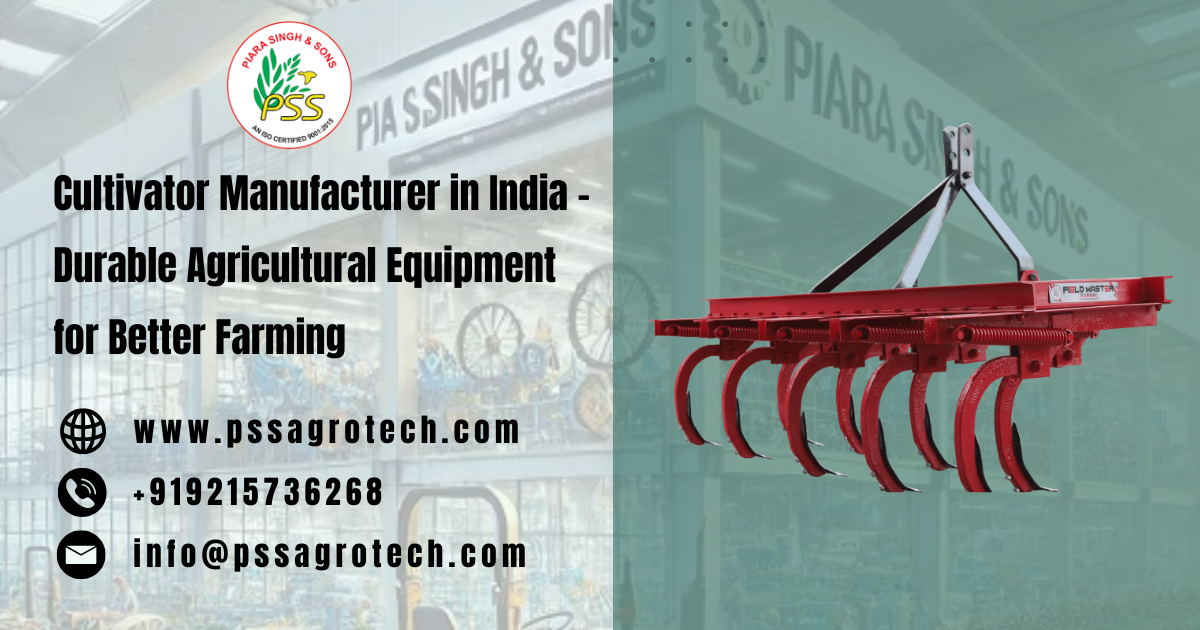
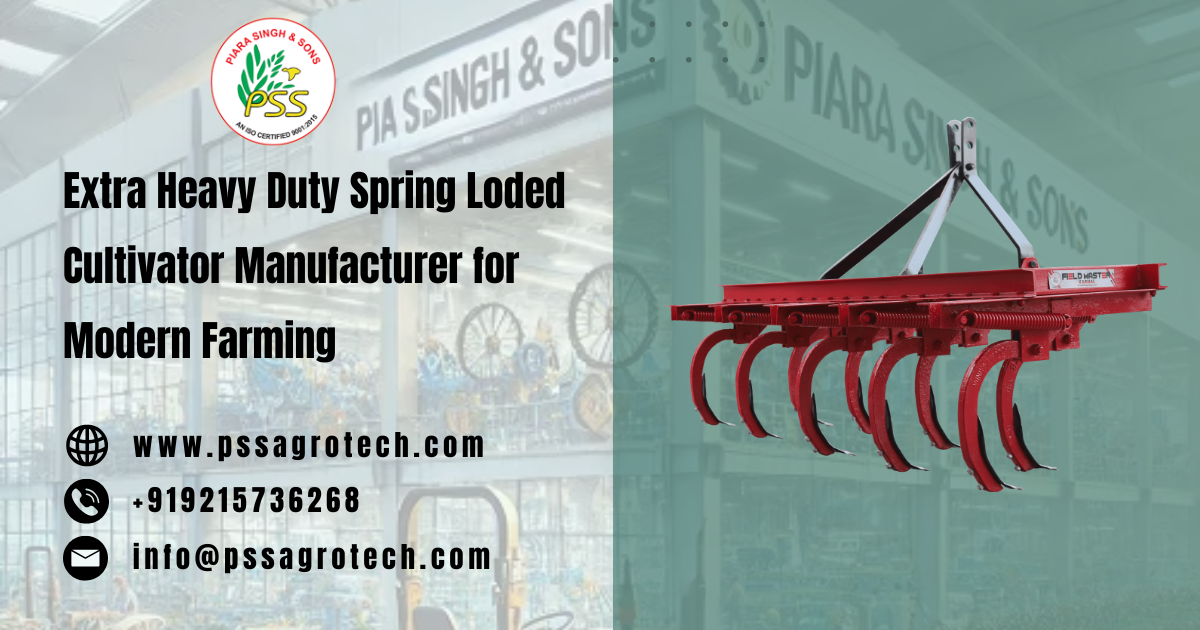
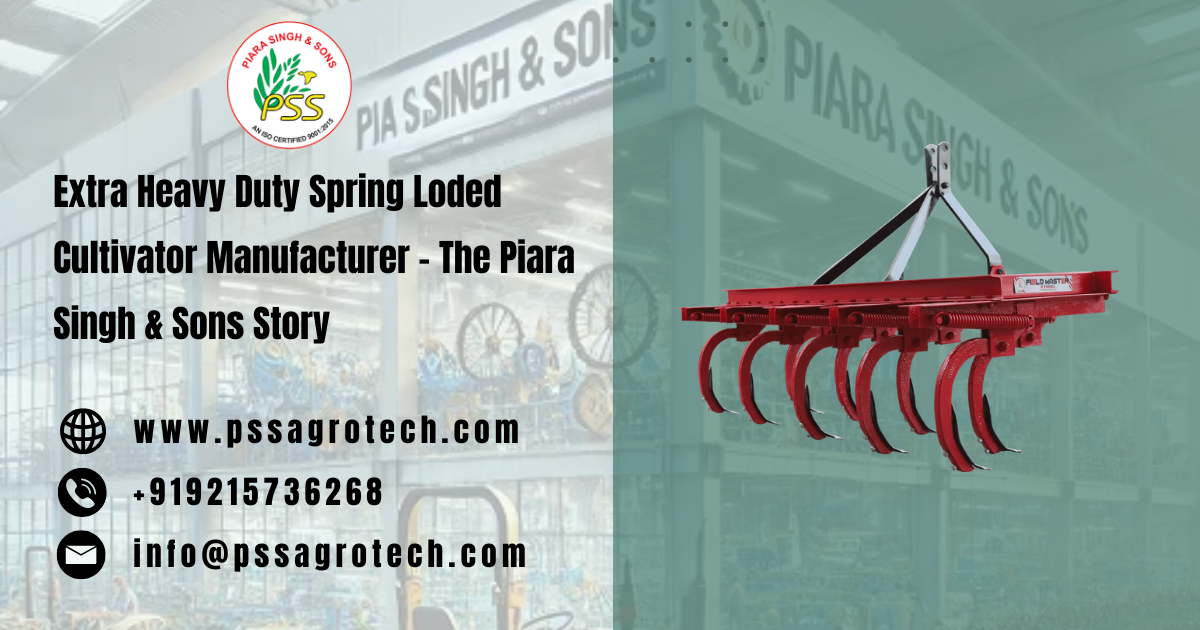
Frame Type and RigidityRigid cultivators suit lighter soil and shallow tillage, while loaded (spring-loaded) versions handle harder ground and reduce shock on the frame when tynes hit buried rocks or roots. Buyers working across mixed field conditions in Karnataka often do better with a loaded cultivator, even though it costs more upfront, simply because replacement tynes and frame repairs add up faster on a rigid unit used on tougher ground.
Number and Spacing of Tynes
Cultivators typically range from five to nine tynes depending on working width, and spacing affects both soil coverage and the horsepower needed to pull the implement. A manufacturer who asks about your tractor's HP rating before recommending a configuration, rather than just selling whatever's in stock, tends to save buyers from mismatched equipment that either strains the tractor or under-tills the field.
Material and Build Quality
Mild steel is standard, but the coating and tyne hardening process varies between manufacturers. Cultivators with properly hardened tynes hold their edge longer before needing sharpening or replacement, which matters over a full season of use rather than just on paper.
A Manufacturer's Reach Across States Tells You Something
Buyers sometimes assume that a manufacturer working across many states must be stretched thin on quality control. The opposite is usually closer to the truth — a Cultivator Manufacturer In Faridabad or Karnal supplying dealers and direct buyers across regions typically has more standardised production processes than a small local workshop building implements in smaller, less consistent batches.Piara Singh & Sons' equipment moves through networks reaching a Cultivator Manufacturer in Pune buyer base, as well as demand from a Cultivator Manufacturer in Tamil Nadu market and a Cultivator Manufacturer in Gujarat customer base, alongside direct orders into Karnataka. That spread across states with genuinely different soil types and farming practices tends to push manufacturers toward more durable, adaptable designs rather than a one-size-fits-all product built for a single region's conditions.
Conclusion
Choosing a cultivator manufacturer isn't really about state borders — it's about whether the equipment is built for the soil it's actually going to work in, and whether the manufacturer has the track record to back that up. Piara Singh & Sons base in Karnal, combined with a customer footprint stretching into Tamil Nadu, Gujarat, Pune, and Karnataka, points to a manufacturer used to building for varied field conditions rather than a single narrow market. For buyers in Karnataka, that broader experience often matters more than simply finding the nearest local supplier.FAQs
Q: Does it matter if a cultivator manufacturer isn't based in Karnataka?A: Not particularly — freight for agricultural implements across India is routine, and build quality and after-sales support matter more than physical proximity.
Q: What's the difference between a rigid and a loaded cultivator?
A: Rigid cultivators are simpler and suit lighter soil, while loaded (spring-loaded) versions absorb shock better on harder or rockier ground, reducing damage to tynes and frame.
Q: How many tynes does a typical cultivator have?
A: Most range from five to nine tynes, depending on the working width and the horsepower of the tractor pulling it.
Q: Why do manufacturers supplying multiple states tend to offer more durable equipment?
A: Building for varied soil types and farming conditions across states like Punjab, Gujarat, and Tamil Nadu generally pushes manufacturers toward sturdier, more adaptable designs rather than equipment suited to only one region.
Latest Blog Posts







.png)

.png)

.png)

.png)
