Blog Details
Latest Updates

Company Blogs
18
September
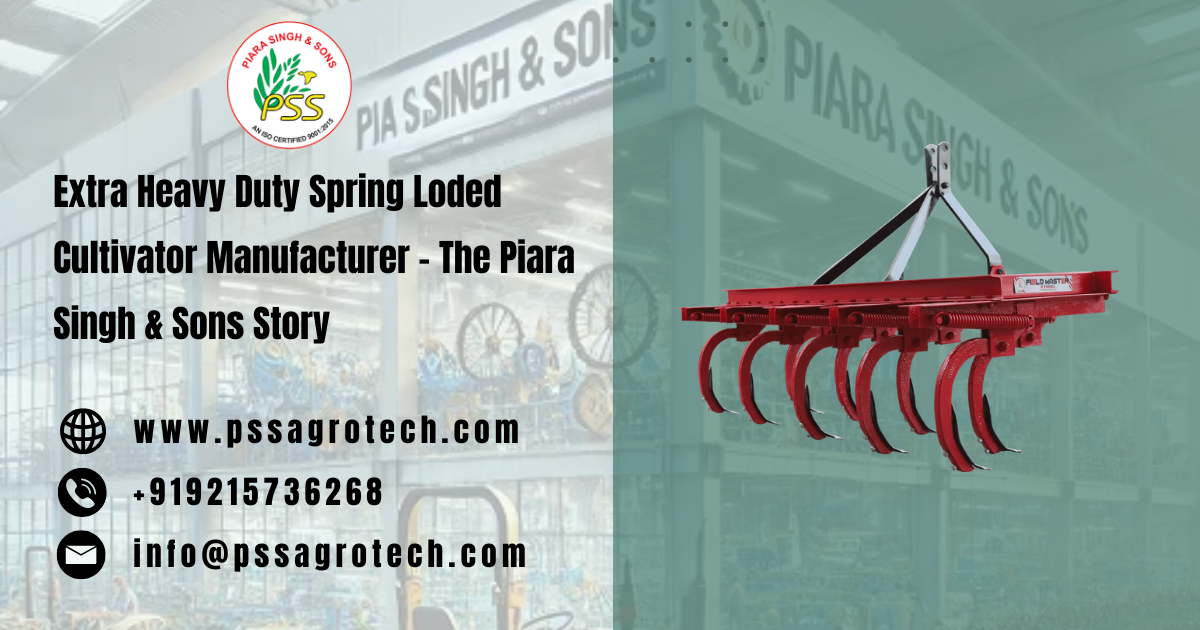
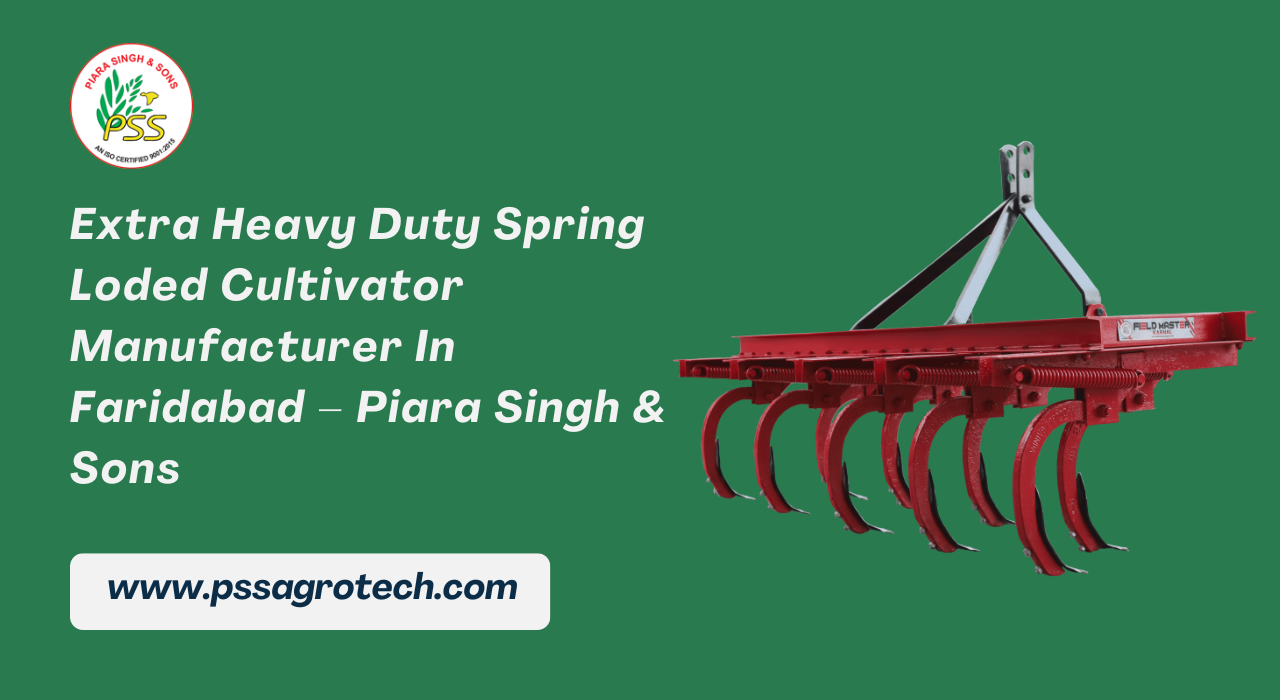
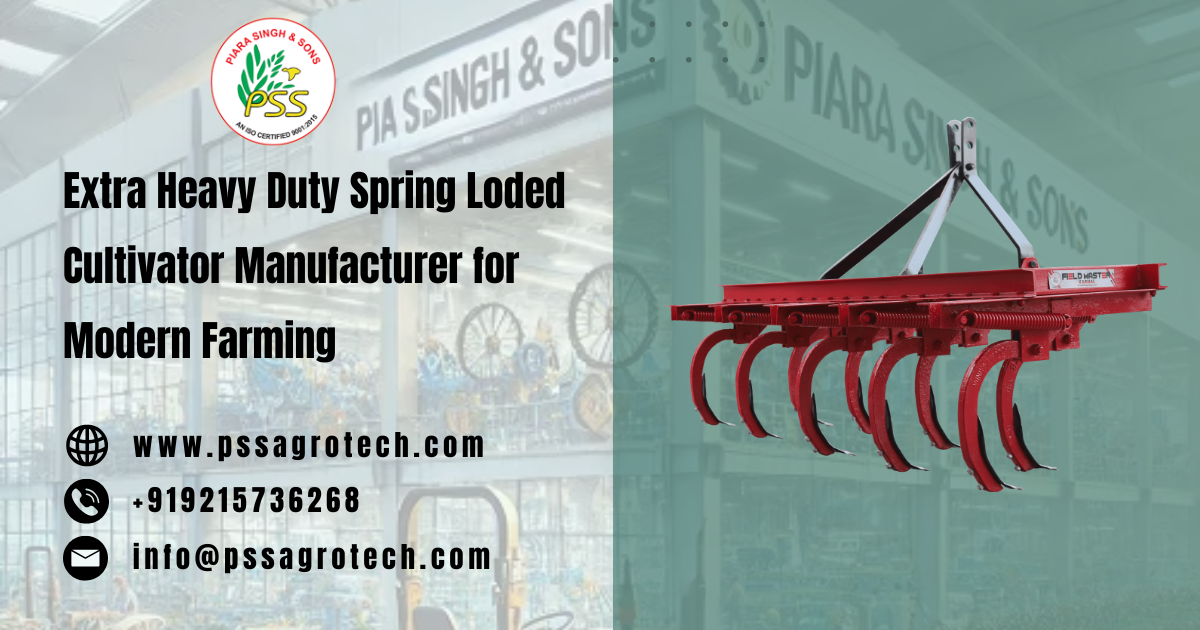
Extra Heavy Duty Spring Loded Cultivator Manufacturer – The Piara Singh & Sons Story
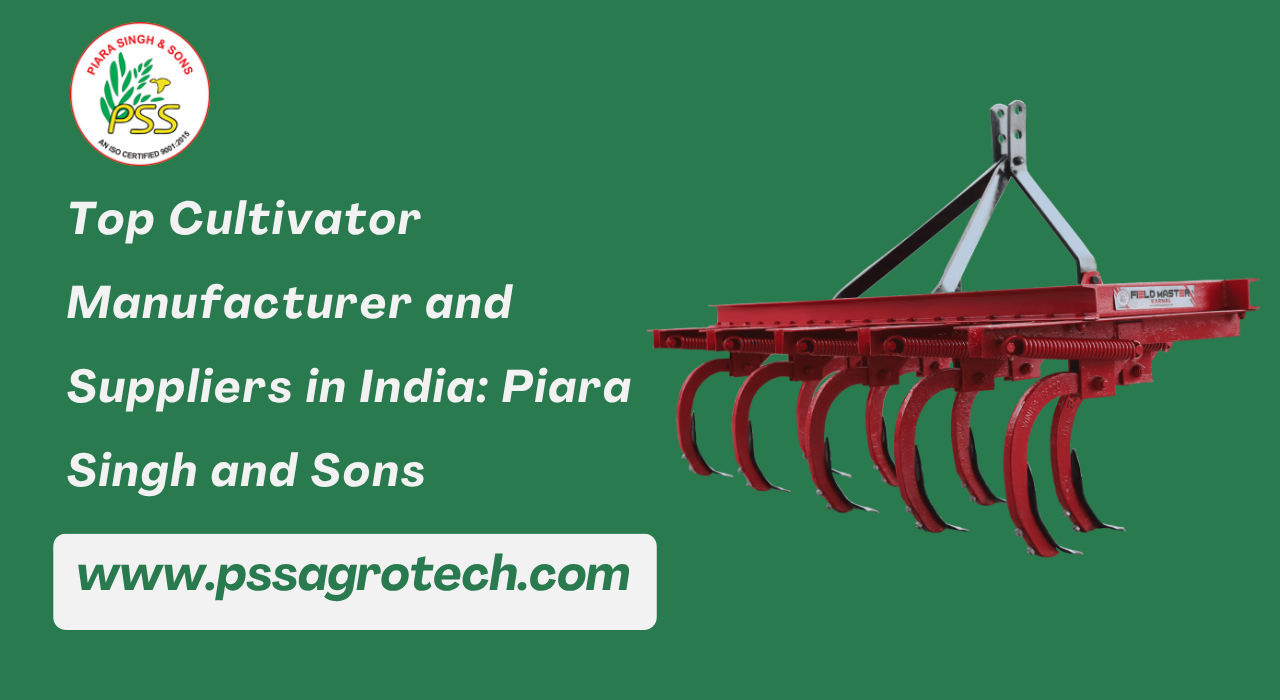
Search for an extra heavy duty spring loded cultivator manufacturer and you'll get pages of listings, half of them looking the same, most quoting a price without saying much about what's actually under the paint. Piara Singh & Sons, working out of Plot No. 300, Sector-3, HSIIDC, Karnal, has been building tillage implements long enough to know that a cultivator's real test isn't the showroom — it's the third season, when lesser springs have already snapped and cheap tynes have bent out of shape.
Haryana's fields are unforgiving on equipment. Hard clay in the dry months, compacted ground after harvest, the odd buried stone that catches a tyne mid-pass — it's the sort of environment that either proves a machine or breaks it. This article covers what makes a spring-loaded cultivator genuinely "extra heavy duty," what to check before you buy one, and where farmers across India are sourcing these implements from manufacturers with Karnal-tested engineering.
What an Extra Heavy Duty Spring Loded Cultivator Actually Does
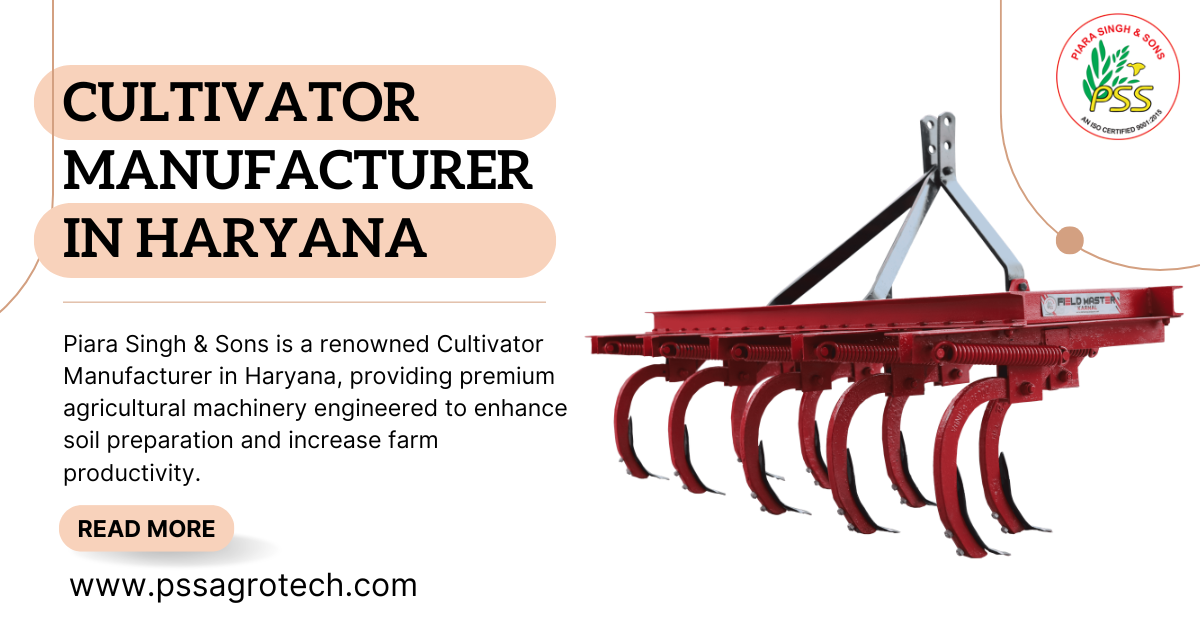
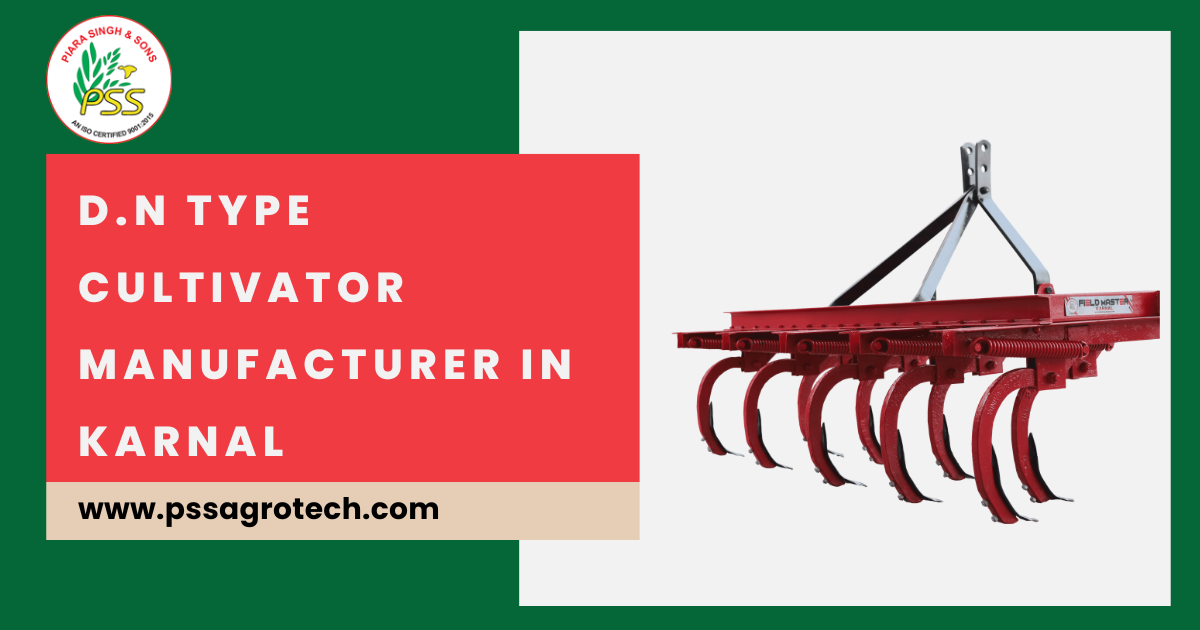
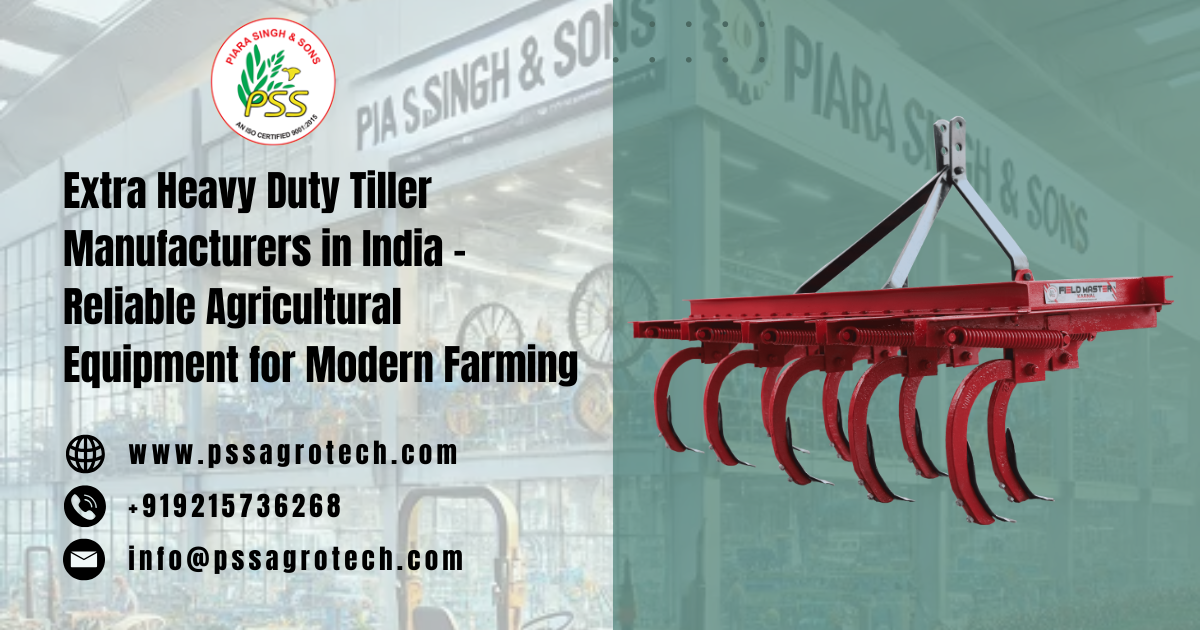
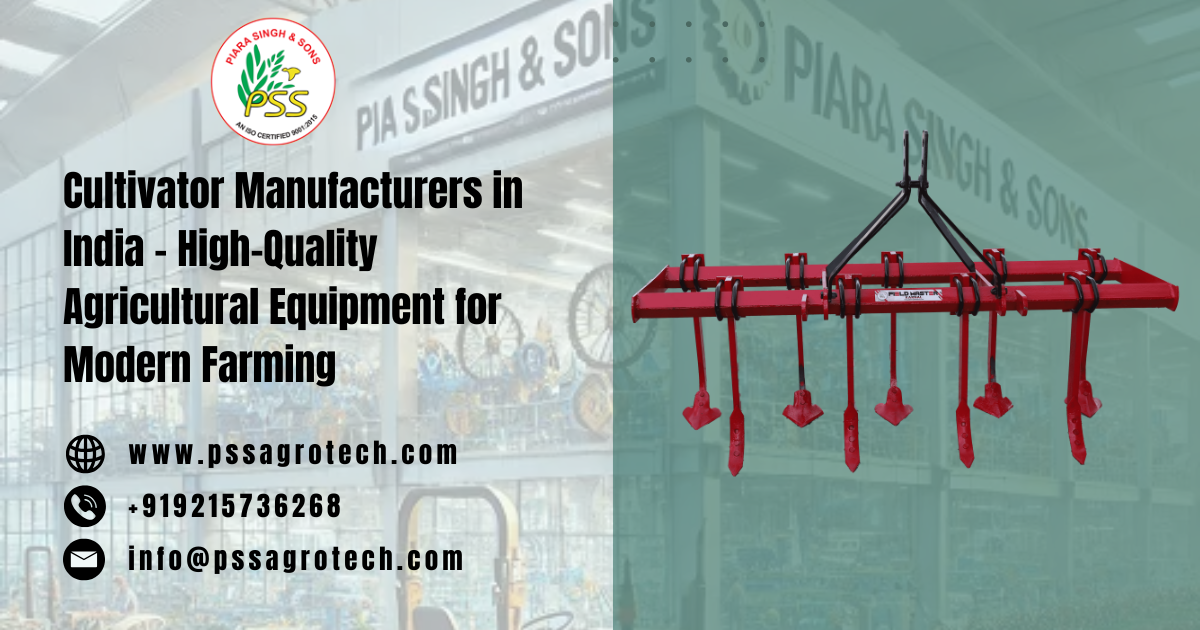
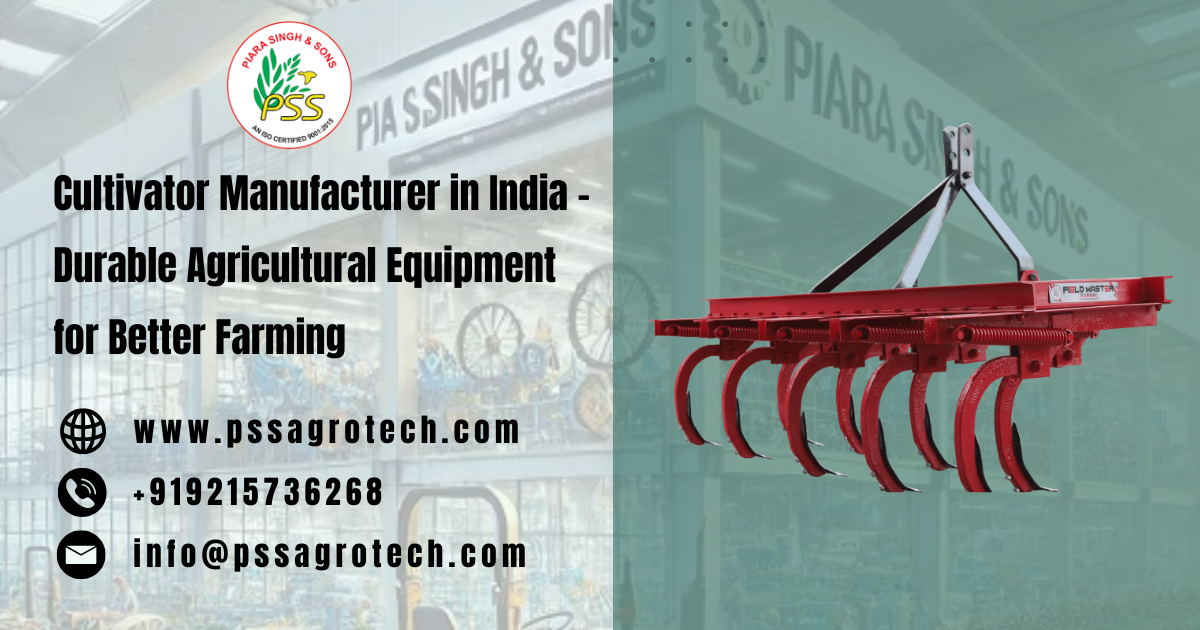
A spring-loaded cultivator uses tynes mounted on heavy coil springs, which flex backward when they strike a rock or hard clod instead of snapping or bending permanently. That flex protects both the tyne and the frame, which matters a lot on fields that haven't been cleared of stones. The "extra heavy duty" tag isn't just marketing — it usually points to thicker tyne shovels, reinforced frame sections, and springs rated for continuous hard-soil use rather than occasional light tillage.Why Farmers Choose Spring Loaded Over Rigid Cultivators
- Better shock absorption on stony or uneven ground
- Reduced breakage on tynes and mounting brackets
- Smoother depth control across uneven terrain
- Longer working life under continuous heavy use
- Lower repair frequency compared with rigid-tyne designs
What Separates a Genuine Manufacturer From an Assembler
Plenty of sellers buy in generic parts, bolt them together, and call it manufacturing. A proper extra heavy duty spring loded cultivator manufacturer controls the process from the steel grade going in, through spring tempering, right down to how the frame is welded and stress-tested. That difference rarely shows on day one. It shows up eighteen months later, in whose springs are still holding tension and whose have gone slack.Extra Heavy Duty Spring Loded Cultivator Manufacturer In Chhattisgarh
Chhattisgarh's paddy belt and its drier upland tracts both put different demands on tillage equipment — wet, sticky soil in the lowlands and harder, stonier ground further up. Farmers here need a cultivator that copes with both without needing constant part replacement, which is exactly the gap a Karnal-built, extra heavy duty design tends to fill.Extra Heavy Duty Tiller Demand Across India
The same durability that works in Chhattisgarh is being asked for by tiller and cultivator buyers right across the country, for broadly similar reasons: hard ground, tight budgets, and no patience for equipment that needs fixing every other week.Extra Heavy Duty Tiller Manufacturer In Odisha and Andhra Pradesh
Odisha's laterite soils and Andhra Pradesh's mixed red and black cotton soils are both abrasive on standard tynes. An extra heavy duty tiller manufacturer in Odisha or Andhra Pradesh needs to supply tynes and springs built to outlast that wear, not just survive a season.Extra Heavy Duty Tiller Manufacturer In Telangana
Telangana's black cotton soil swells when wet and turns rock-hard when dry, which is punishing on lighter tillage tools. Heavier-gauge tynes and properly tempered springs make a real difference here, and it's a market where a Karnal-tested design travels well.Extra Heavy Duty Tiller Manufacturer In Bihar
Bihar's alluvial plains are generally kinder to equipment than the Deccan states, but intensive multi-cropping means implements are in the field almost year-round. Durability under near-constant use, rather than raw toughness against rocky ground, is the priority here.Extra Heavy Duty Tiller Manufacturer In Maharashtra and Rajasthan
Maharashtra's varied terrain, from the Deccan plateau to river basins, and Rajasthan's hard, arid soils both call for a tiller that won't need constant attention. Farmers in both states are increasingly looking past the cheapest option toward manufacturers who can prove their equipment lasts.Conclusion
An extra heavy duty spring loaded cultivator earns that label through what's happening inside the steel, not what's printed on the brochure. Piara Singh & Sons has spent years building tillage implements in Karnal that hold up against genuinely tough soil, and that reputation has carried its products into Chhattisgarh, Odisha, Andhra Pradesh, Telangana, Bihar, Maharashtra, and Rajasthan. Before you buy from any manufacturer, ask about the steel, the springs, and whether they'll still answer the phone after the sale — that's usually the real difference between a machine that lasts and one that doesn't.FAQs
Q1. What makes a cultivator "extra heavy duty" rather than standard?It usually comes down to thicker tyne shovels, reinforced frame welds, and springs tempered specifically for continuous hard-soil use rather than light or occasional tillage.
Q2. Is a spring loaded cultivator better than a rigid one for stony fields?
Generally yes. The spring action absorbs shock when a tyne hits a rock or hard clod, protecting the frame and tynes from damage that a rigid design would take directly.
Q3. What tractor HP is needed for a heavy duty spring loaded cultivator?
Most heavy-duty models are built for tractors in the 35–75 HP range, though the exact rating depends on the number of tynes and working width.
Q4. How do I know if replacement parts will be available later?
Ask the manufacturer directly before buying, and favour one with an established dealer network, since that usually means spares are easier to source when a spring or tyne eventually needs replacing.
Q5. Does Piara Singh & Sons supply cultivators outside Haryana?
Yes. Based in Karnal, Piara Singh & Sons supplies dealers and farmers across states including Chhattisgarh, Odisha, Andhra Pradesh, Telangana, Bihar, Maharashtra, and Rajasthan.
Latest Blog Posts



.png)
.png)